📖 Table of Content:
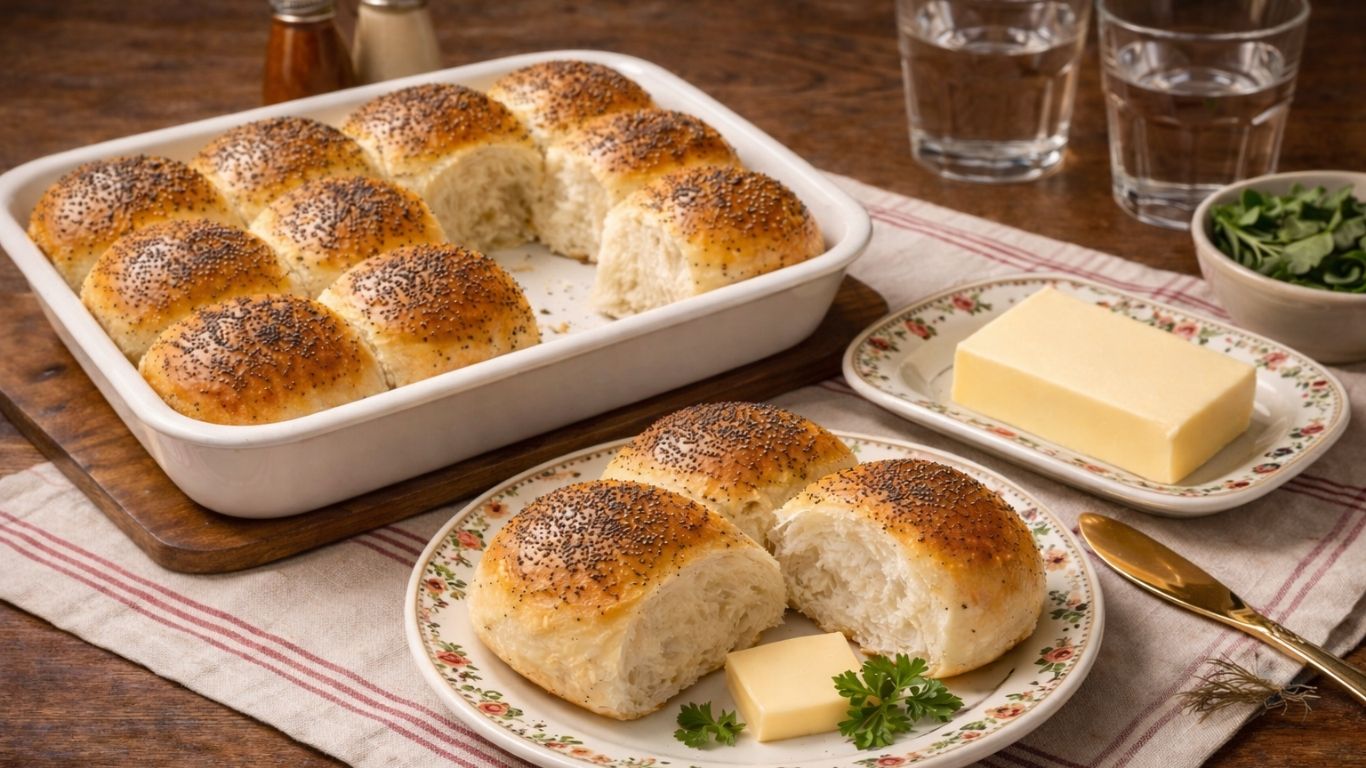
These soft and fluffy dinner rolls are light, buttery, and incredibly easy to make at home, with a beautifully golden crust and a soft, airy, pillowy interior that makes them perfect for family dinners, holidays, or everyday baking, just like the classic bread rolls you can find on Wikipedia and my homemade pretzel buns recipe on Inga Kitchen Story, giving you simple, reliable results and that fresh homemade bakery taste in every bite.
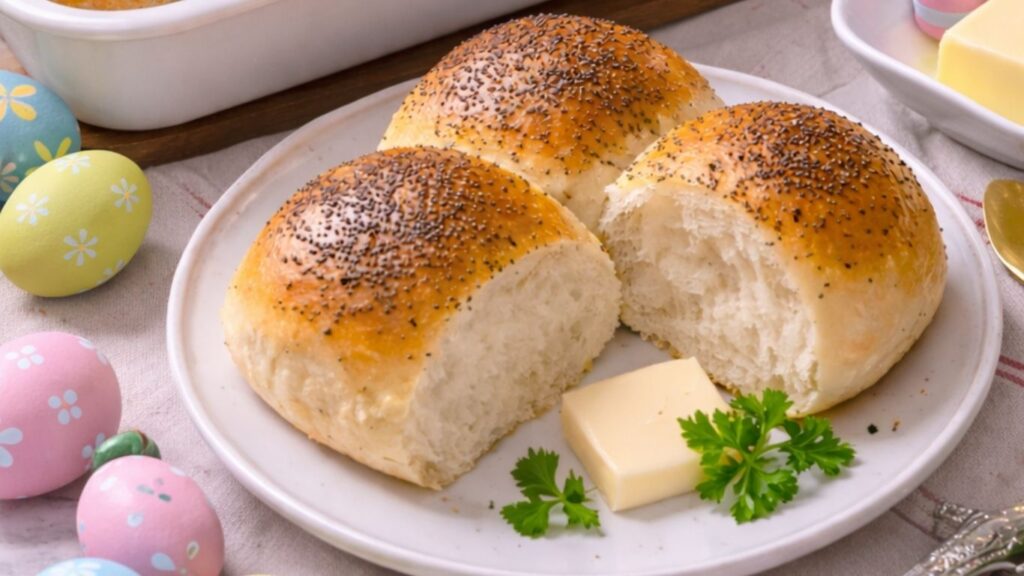
These soft and fluffy dinner rolls are the perfect homemade bread for any occasion, with their delicate golden crust and irresistibly light, airy interior that melts in your mouth with every bite. Freshly baked dinner rolls fill your kitchen with a warm, comforting aroma and bring that special homemade touch to your table.
Whether you are preparing a cozy family dinner, a festive holiday meal, or a simple everyday lunch, these dinner rolls fit perfectly into any menu. Our perfectly puffy dinner rolls are especially wonderful for Easter, as they pair beautifully with traditional dishes and make your holiday table feel even more warm, elegant, and inviting.
These dinner rolls are beautifully soft, slightly buttery, and wonderfully tender, making them perfect for serving warm with butter, using for small sandwiches, or enjoying on their own as a classic homemade treat.
MY LATEST VIDEOS
Quick Info
- Prep Time: 20 minutes
- Resting Time: 1 hour 30 minutes
- Bake Time: 20-25 minutes
- Total Time: about 2 hours 15 minutes
- Servings: 12 dinner rolls
- Difficulty: Easy
- Perfect for: Family dinners, holidays, Easter table, everyday baking
WHAT YOU’LL NEED FOR THIS RECIPE
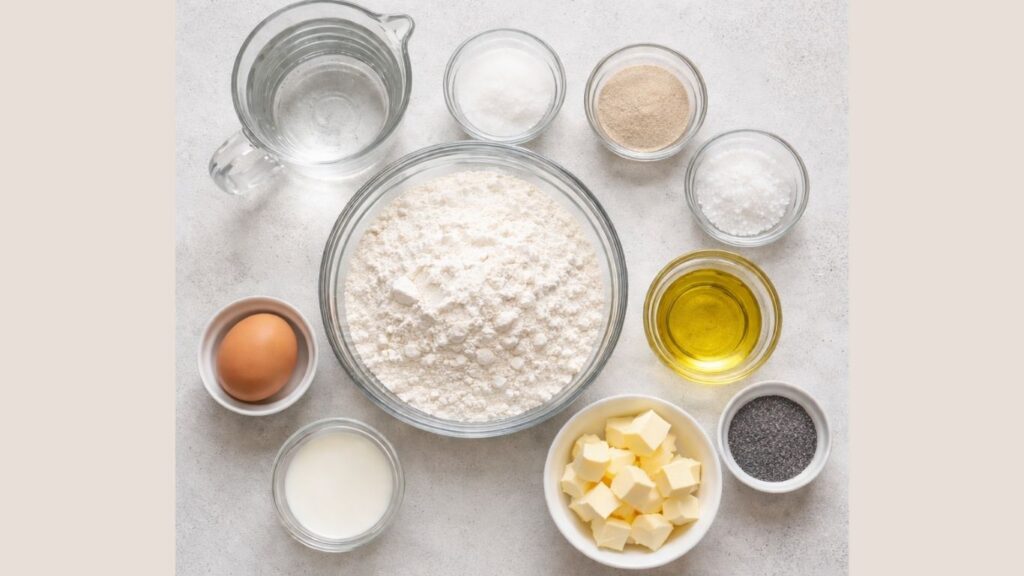
FLOUR
Sifting the flour before adding it to your dough is a small step that makes a big difference in the final texture of your dinner rolls. When flour sits in a bag or container, it naturally becomes compacted and can form small lumps. By sifting it, you break up these lumps and make the flour light and airy, which helps it blend more evenly with the other ingredients.
Another important benefit of sifting is that it allows you to measure the flour more accurately. Compacted flour can lead to using too much without realizing it, which often results in dense and heavy rolls. Light, sifted flour gives you a better balance in your dough, helping it stay soft, smooth, and easy to knead.
Sifting also helps distribute the flour more evenly when you start mixing your dough. This creates a smoother, more uniform mixture and allows the yeast to work more effectively during the rising process. As a result, your dough will rise more evenly and develop a lighter, fluffier texture.
In the end, this simple step helps you achieve dinner rolls that are soft, airy, and beautifully tender on the inside with a delicate crumb.
BUTTER
Using butter at room temperature is very important when making soft and fluffy dinner rolls because it blends smoothly into the dough and creates an even, well balanced texture. When the butter is soft, it mixes easily with the flour and other ingredients, allowing the fat to be distributed evenly throughout the dough without leaving hard pieces or streaks.
Soft butter also helps the dough become smooth, elastic, and easier to knead. If the butter is too cold, it will not incorporate properly and can create uneven spots in the dough. This can affect how the dough rises and can make the final dinner rolls less soft and less uniform in texture.
Butter adds richness and flavor to dinner rolls, giving them that classic homemade taste that feels warm and comforting. It also helps create a tender crumb and a soft interior, while keeping the rolls moist for longer after baking. Because the butter coats some of the flour proteins, it slightly limits gluten development, which is exactly what gives dinner rolls their soft, delicate bite instead of a chewy bread texture.
In the end, using butter at room temperature helps you achieve dinner rolls that are soft, fluffy, rich in flavor, and beautifully golden with a tender inside that stays fresh and delicious.
EGG
Adding one egg to the dough plays an important role in creating soft and tender dinner rolls with a rich homemade taste. The egg helps bind all the ingredients together and gives the dough more structure, which makes it easier to shape and handle. Because of this, the dough becomes smoother, more elastic, and holds its shape beautifully during rising and baking.
The egg also adds natural fat and moisture to the dough. This helps create a softer crumb and a light, fluffy interior once the dinner rolls are baked. At the same time, it improves the overall texture so the rolls feel delicate and airy instead of dry or crumbly. This is one of the key reasons why enriched doughs that include eggs turn out so soft and pleasant to eat.
Another benefit of adding an egg is the beautiful color it gives to the finished rolls. The proteins and natural sugars in the egg help the dinner rolls develop a light golden crust while baking, making them look more appealing and bakery style. It also adds a subtle richness to the flavor, making every bite taste warm and satisfying.
In the end, that single egg helps create dinner rolls that are soft, fluffy, rich in taste, and beautifully golden with a tender and delicate texture that everyone loves.
INGREDIENTS
- 1 1/2 cups warm water (360 ml)
- 1 tablespoon sugar (12 g)
- 1 tablespoon instant yeast (10 g)
- 1 tablespoon salt (18 g)
- 4 1/2 cups all-purpose flour (540 g)
- 3 tablespoons oil (45 ml)
- 1 egg
- 2 tablespoons milk (30 ml)
- 50 g butter (about 3 1/2 tablespoons)
- Seeds of your choice
HOW TO MAKE DINNER ROLLS
INSTRUCTIONS
1. Activate the yeast
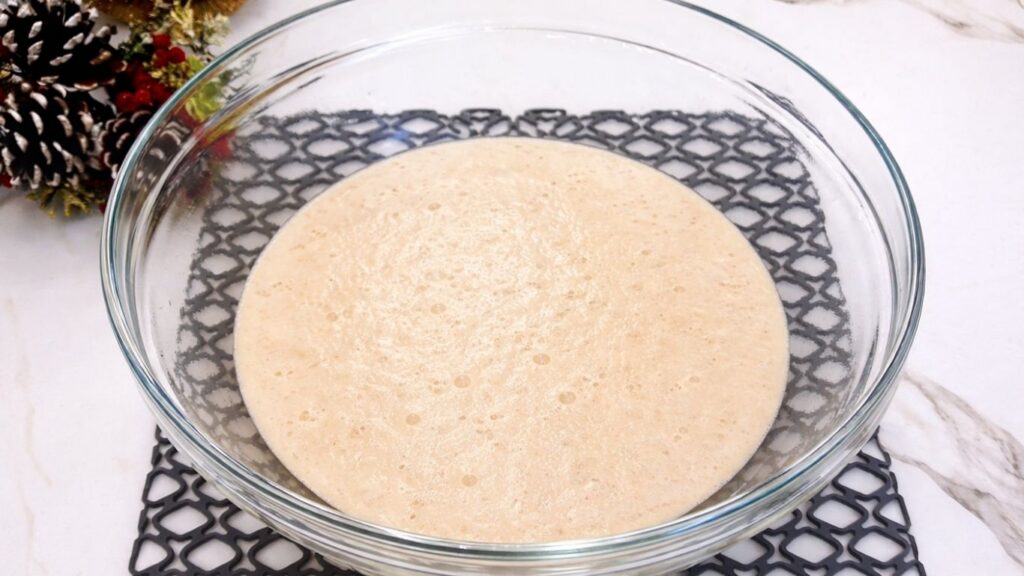
Start by warming the water until it feels pleasantly warm to the touch, but not hot. The temperature should be comfortable for your finger, because water that is too hot can damage the yeast and prevent it from activating properly. Pour the warm water into a large bowl and add the sugar, stirring gently until the sugar dissolves.
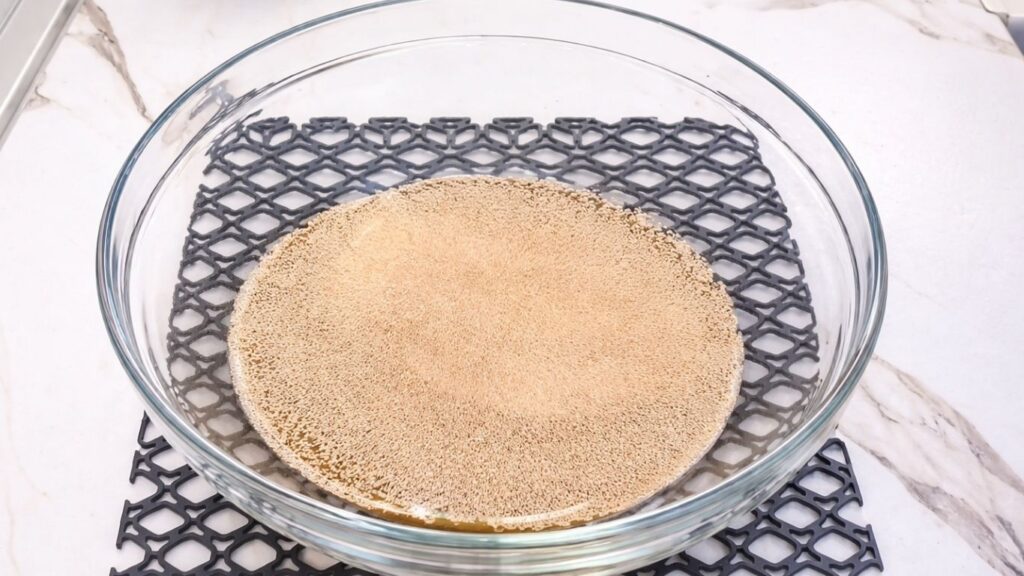
Sprinkle the instant yeast over the surface of the warm water and give it a light stir so it combines evenly. Let the mixture rest for about 5 to 10 minutes. During this time the yeast will begin to activate, forming small bubbles and a light foam on the surface. This shows that the yeast is alive and ready to help your dough rise.
This simple step is very important because properly activated yeast ensures that your dough will rise well and gives your dinner rolls a soft, airy, and fluffy texture.
2. Mixing and kneading the dough
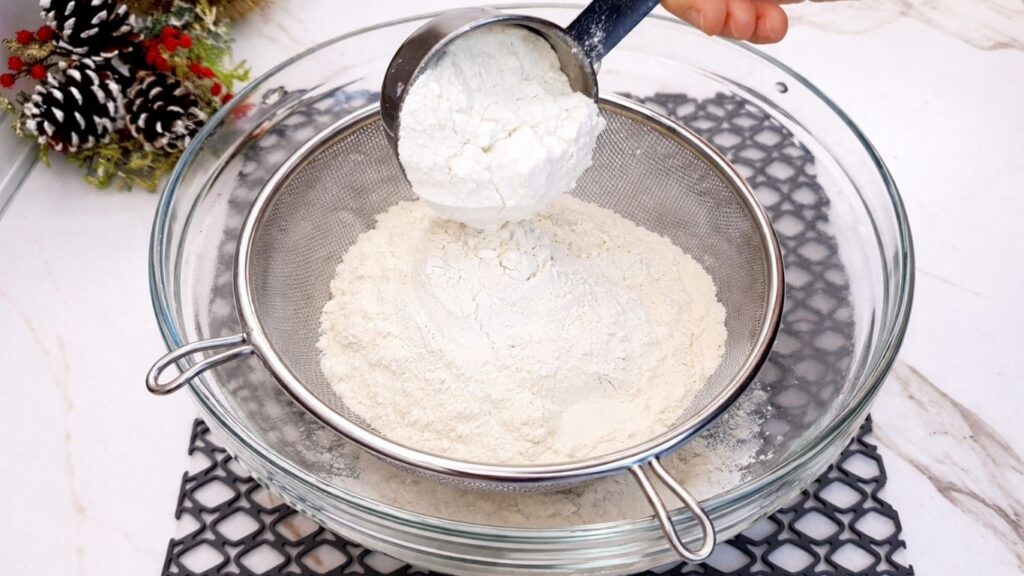
Once the yeast has activated and become foamy, it is time to add the remaining ingredients. Add the salt, oil, and sifted flour to the bowl. Gradually mix everything together until a soft dough begins to form. Sifting the flour at this stage helps create a smoother and lighter dough, making it easier to knead and giving your dinner rolls a softer final texture, which is exactly what we want for perfect dinner rolls.
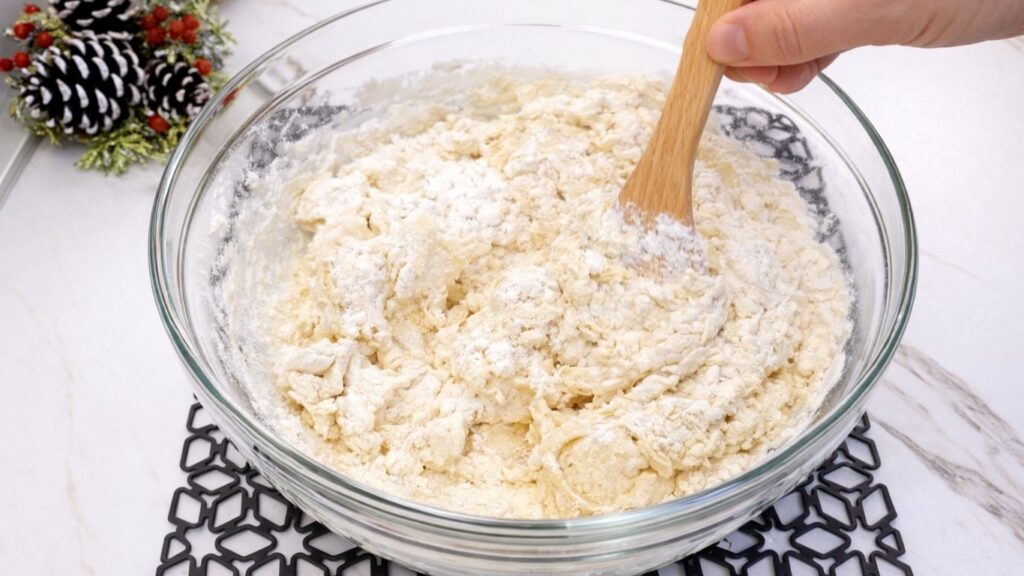
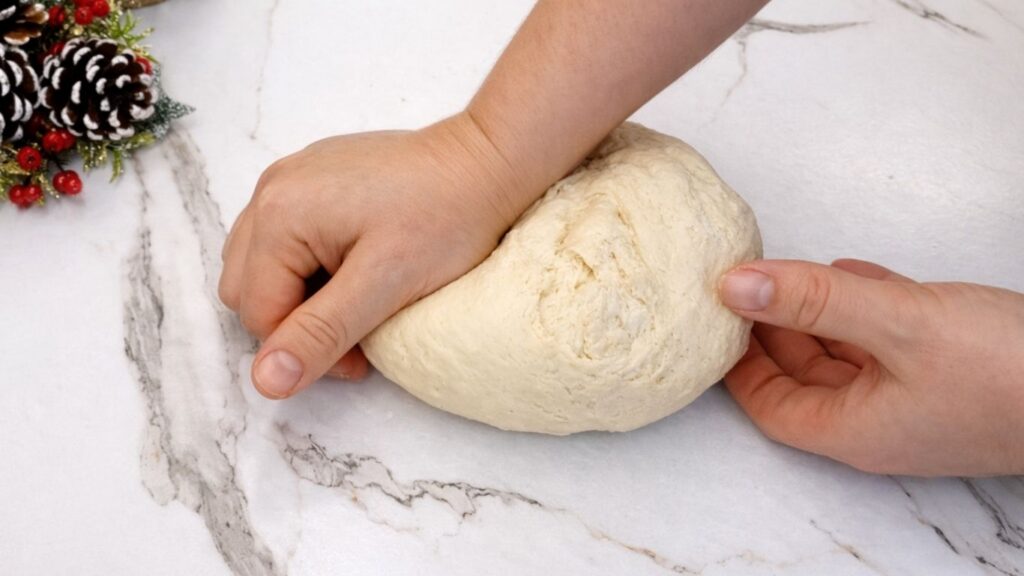
When the dough starts to come together and is no longer too sticky, transfer it onto a clean work surface. Begin kneading the dough with your hands, folding and pressing it gently. Continue kneading for at least 5 minutes until the dough becomes smooth, soft, and slightly elastic. Proper kneading helps develop the structure of the dough and ensures your dinner rolls will be light and fluffy with a beautiful soft crumb.
3. Rising the Dough
Once the dough is well kneaded, place it into a lightly oiled bowl. Turn the dough once so that all sides are coated with a thin layer of oil. This helps prevent it from drying out while it rises. Cover the bowl with plastic wrap so the surface of the dough stays soft and protected.
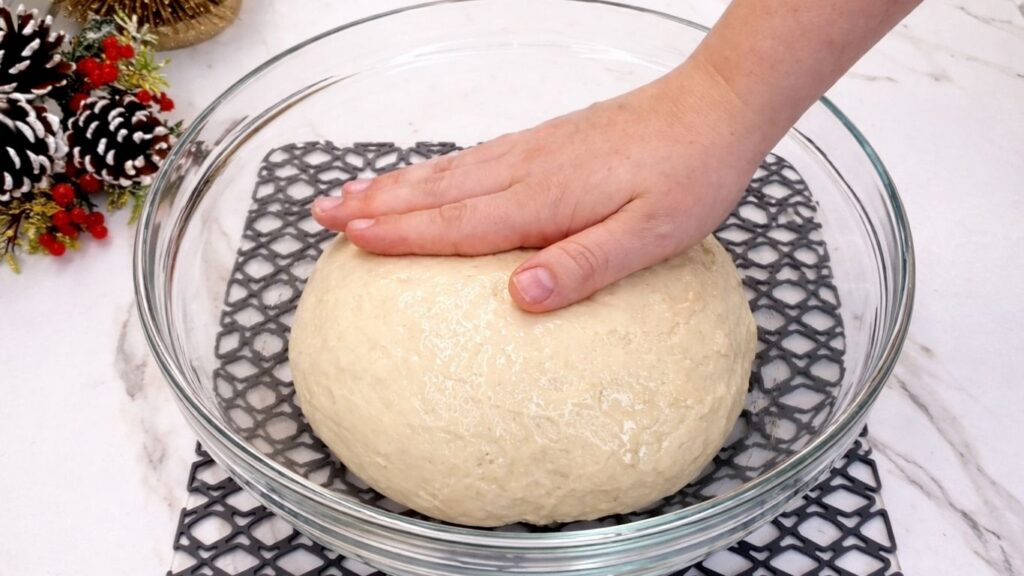
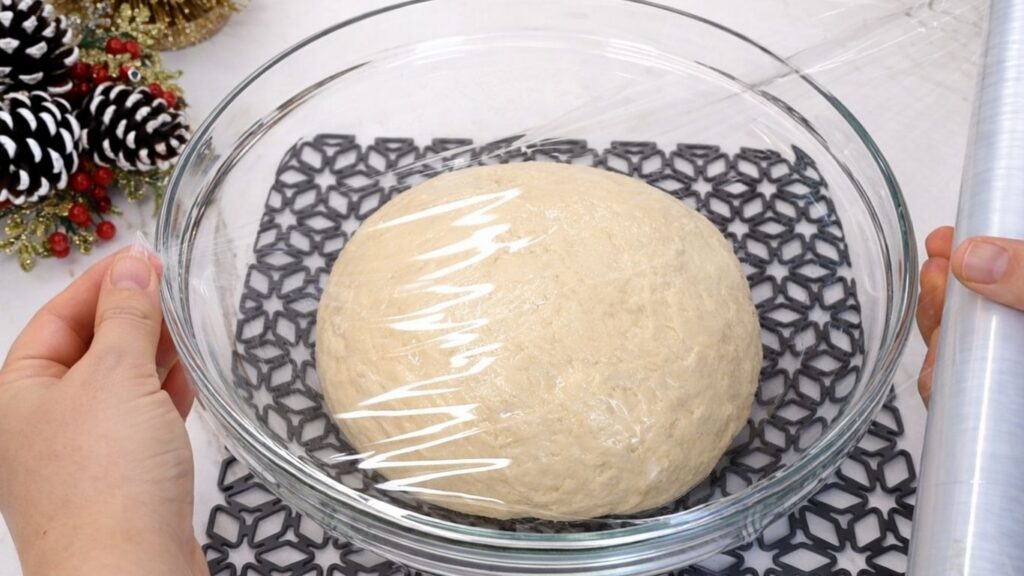
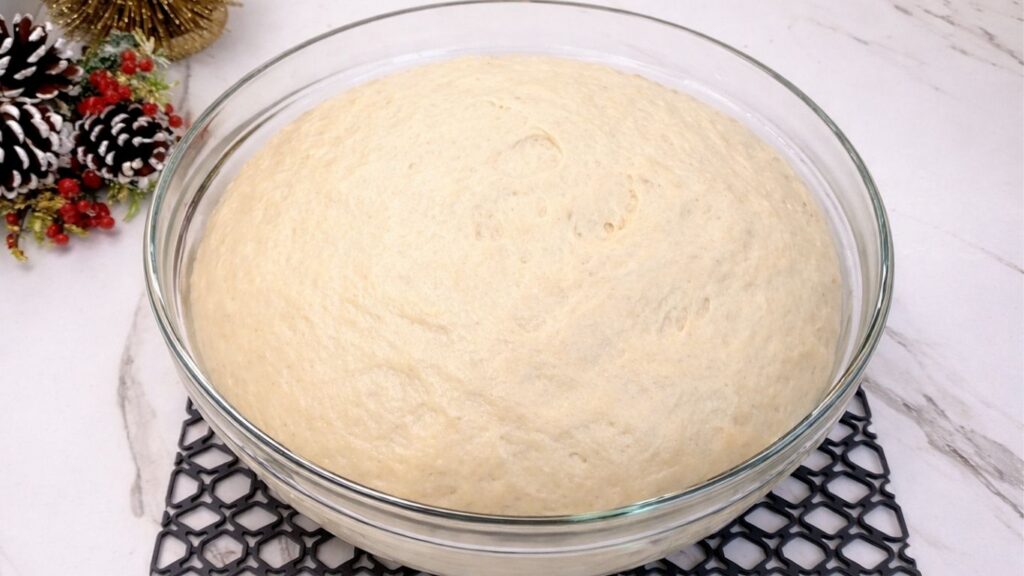
Let the dough rest in a warm place for about 1 hour, or until it has doubled in size. During this time, the yeast continues to work and creates air inside the dough, which will give your dinner rolls their soft, airy, and fluffy texture after baking, making your dinner rolls perfectly light and delicious.
4. Shaping the dinner rolls
Once the dough has risen nicely and doubled in size, gently transfer it onto a clean work surface. Lightly press the dough to release the air, then divide it into 12 equal portions so that all the dinner rolls bake evenly and have a uniform size.
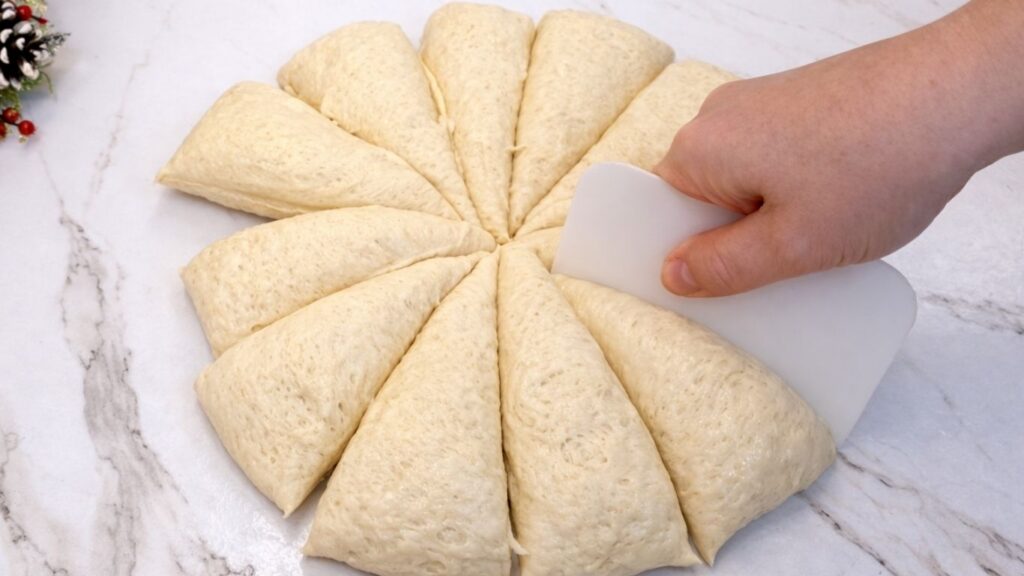
Take each piece of dough and shape it into a smooth ball by gently tucking the edges underneath and rolling it lightly in your hands or against the work surface. This helps create a smooth top and gives the dinner rolls a beautiful, round shape.
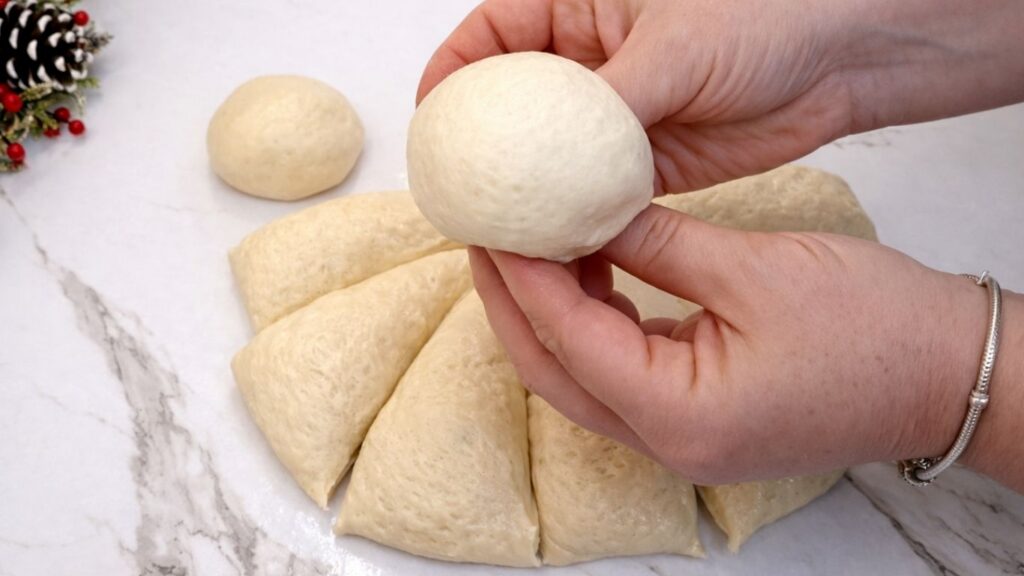
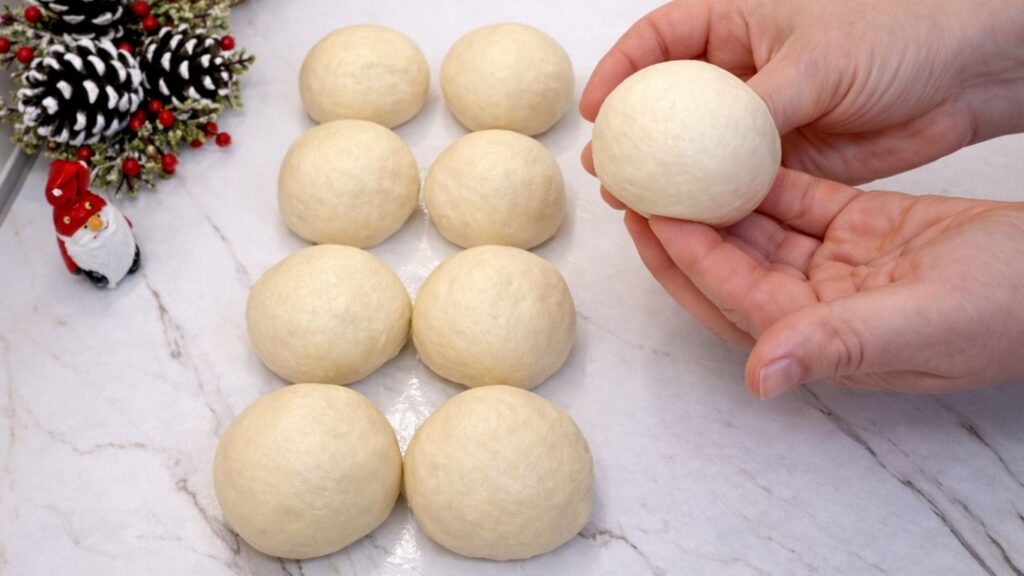
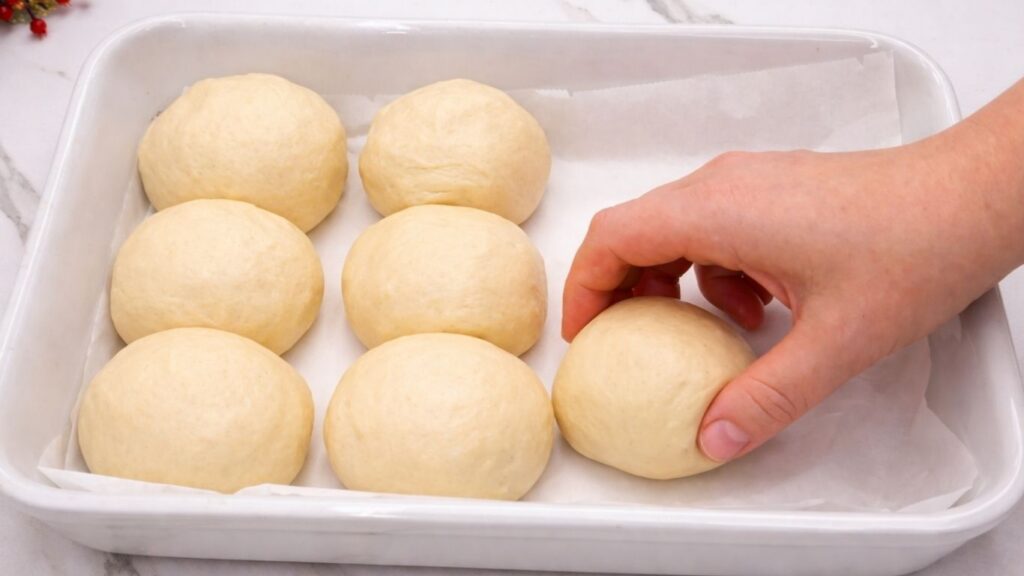
Place the shaped balls into a baking tray, leaving a small space between each one so they have room to rise and expand. Once all the rolls are arranged, cover them lightly and let them rest for about 30 minutes. During this time they will rise again, becoming soft and puffy, which will give your dinner rolls that light and fluffy texture after baking.
5. Brushing before baking
Once the shaped rolls have rested in the baking tray for about 30 minutes and become soft and puffy, they are ready to be brushed before baking.
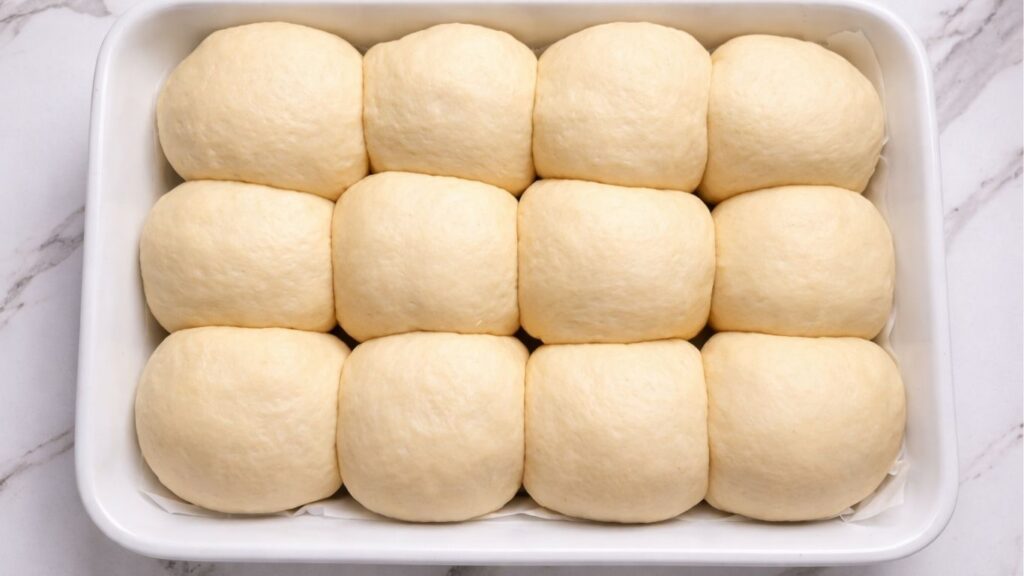
In a small bowl, mix the egg and milk until smooth, then gently brush the surface of each roll with this mixture. This step gives the dinner rolls a beautiful golden color and a soft, shiny finish once they are baked.
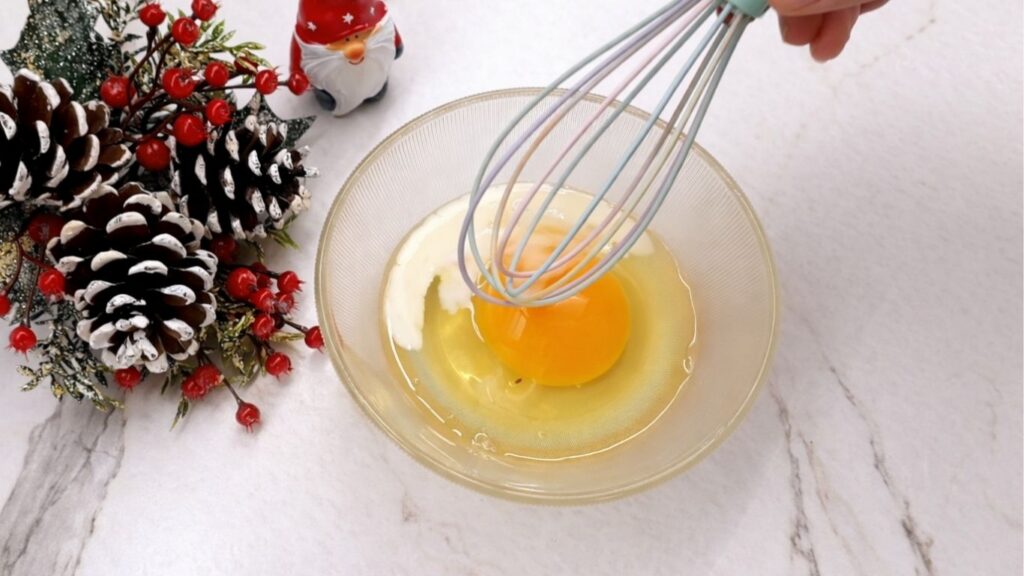
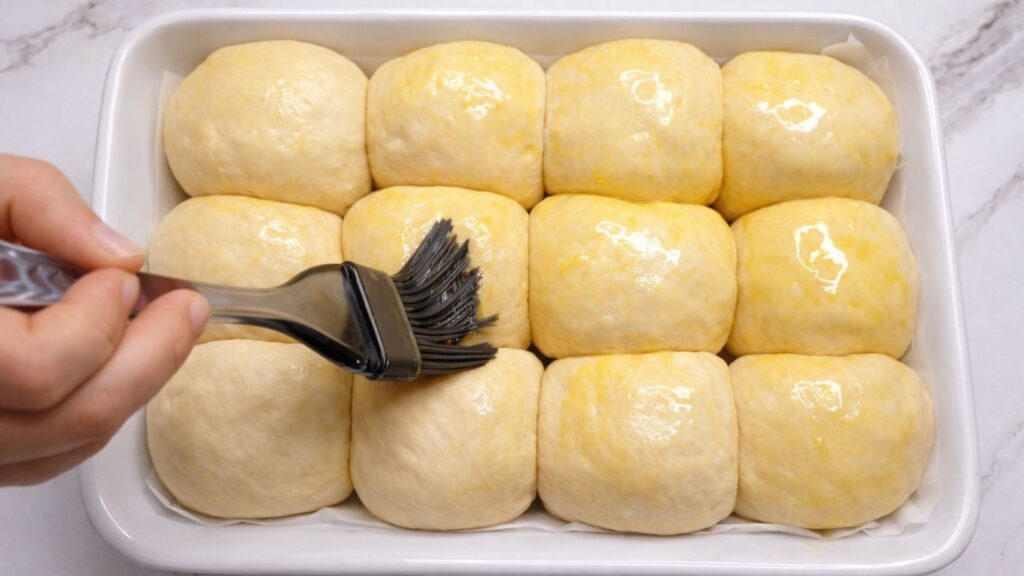
If you like, you can sprinkle seeds on top after brushing. This is completely optional, but it adds a nice texture and a decorative look to the dinner rolls. I sprinkled poppy seeds on top because that is how we like them at home, but you can use any seeds you prefer or leave them plain.
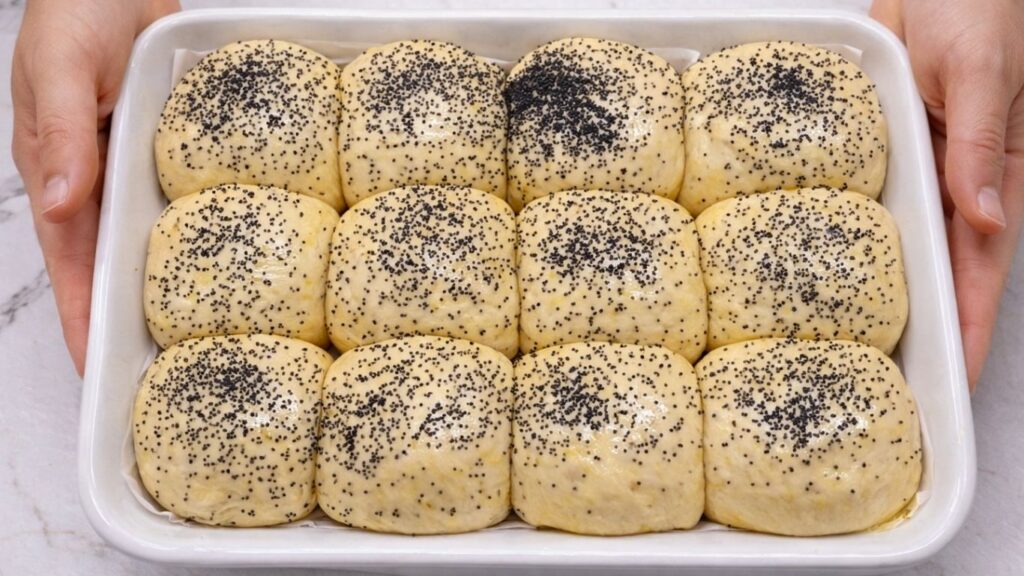
6. Baking the dinner rolls
Preheat the oven to 200 degrees C which is 392 degrees F. Place the tray with the risen dinner rolls into the oven and bake them for about 20 to 30 minutes, or until the dinner rolls become beautifully golden on top and fully baked through.
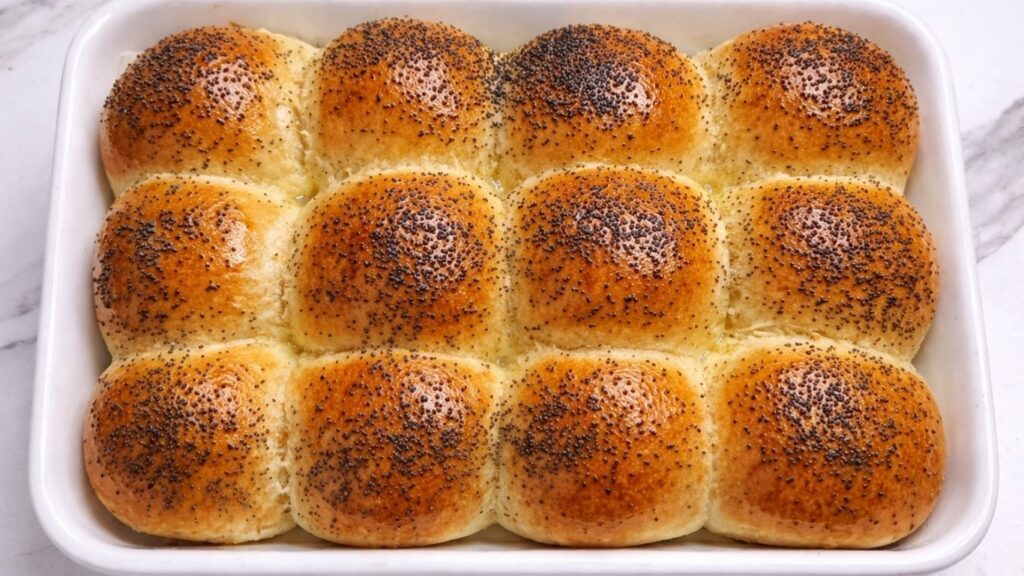
Once they are done, remove the tray from the oven and while the dinner rolls are still warm, gently brush them with melted butter. This final step adds extra flavor, gives them a soft and glossy finish, and makes the dinner rolls even more tender and buttery inside.
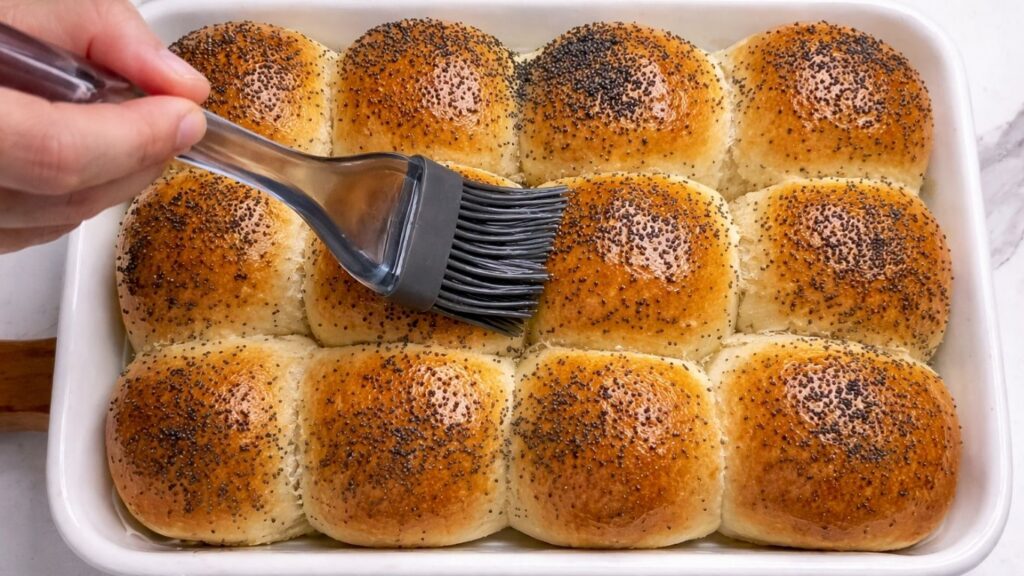
Serving the dinner rolls
Serve the dinner rolls warm so they are soft, fluffy, and full of that rich buttery aroma. You can place them in a serving basket lined with a clean kitchen towel to keep them warm and inviting on the table.
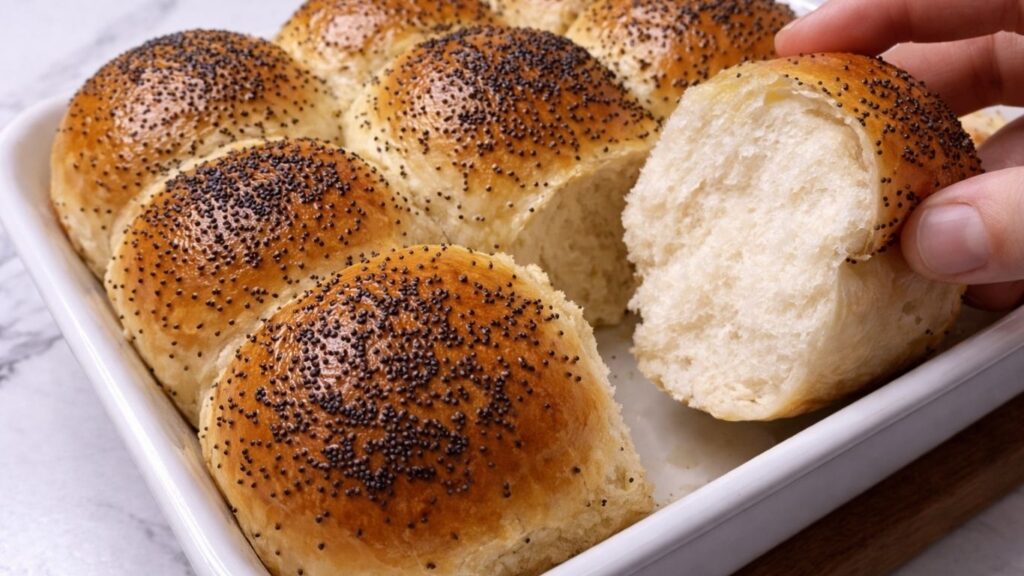
These dinner rolls are perfect as a side for everyday meals or special family gatherings. They pair beautifully with soups, stews, roasted meat, or fresh salads, and they are just as delicious enjoyed on their own with a little extra butter.
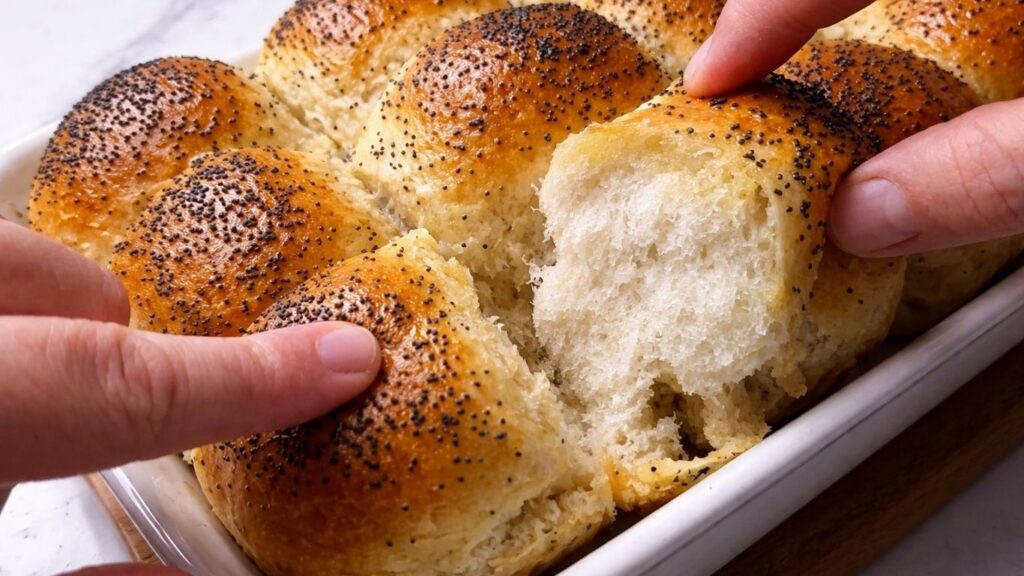
For the best experience, gently pull the dinner rolls apart while they are still slightly warm and enjoy their light, airy texture and perfectly soft interior with that delicious buttery taste.
Storing and freezing the dinner rolls
Once the dinner rolls have completely cooled, store them in a sealed bag or an airtight container at room temperature. They will stay soft and fresh for up to 2 to 3 days. Keep them in a cool and dry place, away from direct sunlight, so they keep their light and fluffy texture.
If you would like to keep them fresh for longer, you can store the dinner rolls in the refrigerator for up to 5 to 7 days. Place them in a sealed container or a zip bag so they do not dry out. Before serving, you can warm them slightly in the oven or microwave to bring back their softness and fresh baked feel.
Dinner rolls also freeze very well. Once they are completely cooled, place them in a freezer safe bag or container and freeze for up to 2 to 3 months. When you are ready to enjoy them, let the dinner rolls thaw at room temperature and then warm them gently in the oven for a few minutes. This will help them become soft, fluffy, and delicious again with that same lovely buttery taste.
Frequently Asked Questions About Dinner Rolls
Why did my yeast not activate even though the water was not too hot?
If your yeast did not become foamy after resting in warm water, there is a good chance that the yeast is old or has been opened for a long time and lost its strength. Always check the expiration date and store yeast in a well sealed container. Fresh yeast should start to bubble within a few minutes when mixed with warm water and sugar.
Why are my dinner rolls dense and not fluffy?
Dense dinner rolls are usually caused by not allowing the dough enough time to rise or by using too much flour. Make sure the dough doubles in size during the rising stages and try not to add extra flour while kneading unless it is really necessary. A soft and slightly tacky dough will give you lighter and fluffier dinner rolls.
Why did my dinner rolls turn out hard?
This can happen if too much flour is added to the dough or if the rolls were baked for too long. It can also happen if the dough did not rest long enough to rise properly. For soft dinner rolls, keep the dough soft, allow enough rising time, and bake only until golden.
Why are my dinner rolls not golden on top?
If your dinner rolls did not develop a golden color, it is often because they were not brushed with the egg and milk mixture before baking. This brushing step gives them that beautiful golden and shiny finish. Also make sure your oven is fully preheated before baking.
Why did my dinner rolls spread too much and lose their shape?
If the rolls spread too much, the dough may have been too soft or over proofed. Make sure to shape the dough tightly into balls and do not let them rise for too long in the baking tray. A balanced dough that is soft but still holds its shape will give you nicely rounded dinner rolls.
Can I make the dough ahead of time?
Yes, you can prepare the dough in advance and let it rise slowly in the refrigerator overnight. The next day, let the dough come back to room temperature, shape the dinner rolls, and continue with the final rise and baking. This method can even improve the flavor and make your dinner rolls taste richer and more developed.
Watch the full Dinner Rolls video
If you try this recipe, let me know in the comments how it turned out.
And don’t forget to subscribe to my YouTube channel for more delicious homemade recipes!
Nutrition per 1 bun
Calories 190 kcal
Carbohydrates 28 g
Protein 5 g
Fat 6 g
Saturated fat 2 g
Cholesterol 20 mg
Sodium 300 mg
Sugar 2 g
Fiber 1 g
You may also like
Pretzel Buns https://ingakitchenstory.com/pretzel-buns-recipe/
Naturally Colored burger Buns https://ingakitchenstory.com/natural-colored-burger-buns/
Chocolate swirl buns https://ingakitchenstory.com/chocolate-swirl-buns/

Leave a Reply