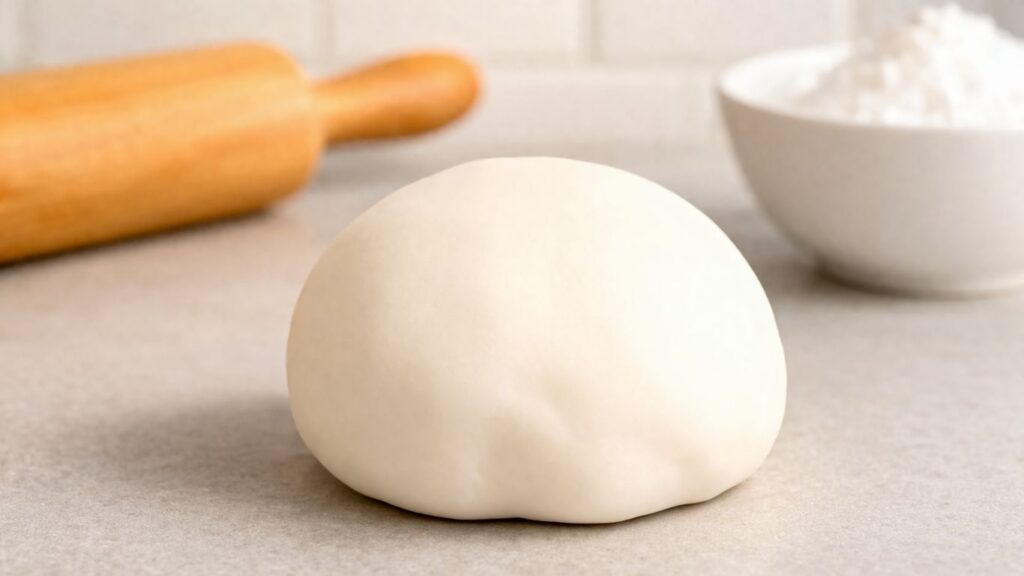
This homemade fondant recipe is the one I’ve used for 15 years to cover everything from birthday cakes to tiered wedding cakes. I make this rolled fondant from scratch with powdered sugar, gelatin, dextrose powder, and butter, without marshmallows.
What I like most about it is how easy it is to work with. It rolls out thin enough to drape over a cake and stays pliable as you smooth it down the sides. You can even use the trimmings to cut out matching decorations.
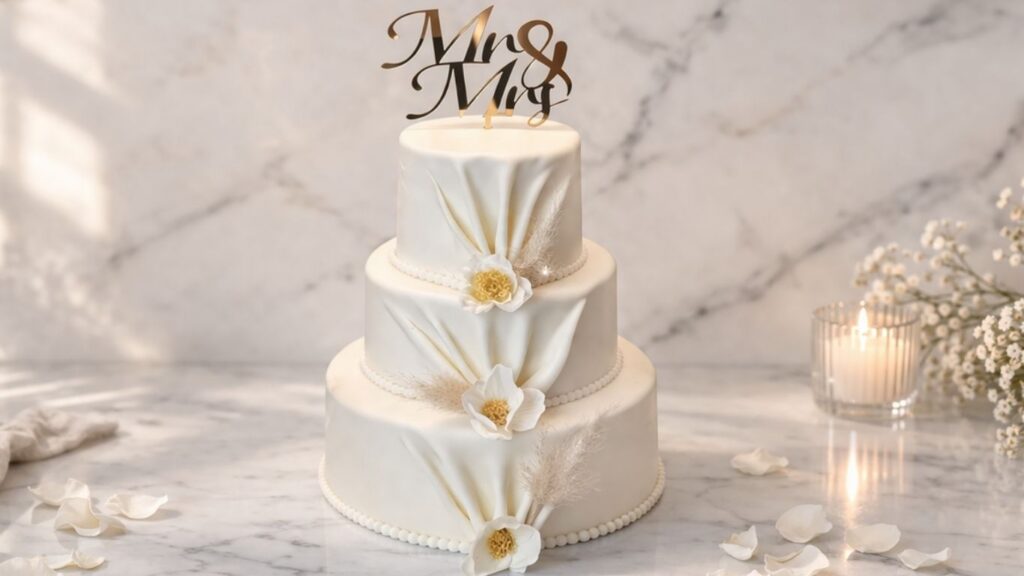
I used this fondant to cover all three tiers of the wedding cake pictured above. For a different look with the same recipe, see my red and gold 40th birthday cake tutorial, where I show how I covered two tiers in red fondant and finished them with gold rope borders.
If you’re covering a cake with fondant for the first time, Wilton’s step-by-step guide shows you how wide to roll it out, how to lift it onto the cake, and how to trim the excess around the base.
MY LATEST VIDEOS
Prep Time: 20 minutes
Rest Time: 30 minutes
Total Time: 50 minutes
Yield: About 2.2 lb (1 kg) of fondant
Cake Coverage: One 10¼-inch (26 cm) round cake, with some fondant left over
Ingredients You’ll Need
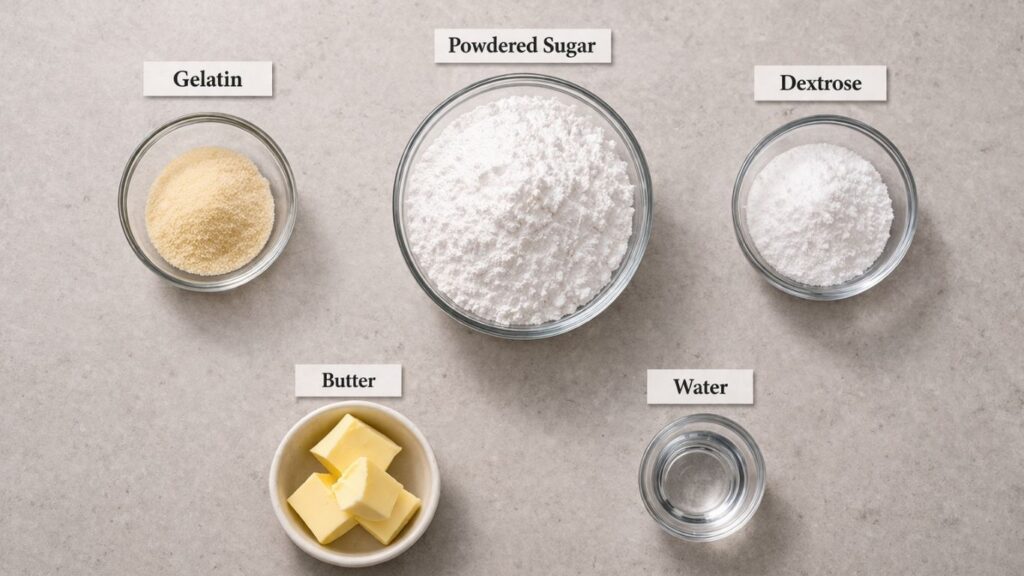
Powdered gelatin gives the fondant enough stretch to lift it from the counter and drape it over a cake.
Dextrose powder helps keep the fondant soft and pliable as you roll it out and smooth it over the cake.
Powdered sugar gives the fondant its body and sweetness. I start with most of the sugar and set the rest aside. If the fondant still feels too sticky as I knead it, I add a little more at a time.
Butter softens the fondant, making it easier to knead and roll out evenly.
Water is used to bloom the powdered gelatin before it’s warmed and mixed into the fondant.
Why You’ll Love This Recipe

- You can tell when it’s ready to roll. The fondant should feel smooth and pliable and bend easily in your hands. If you’re new to fondant, that’s a practical cue to look for before you reach for the rolling pin.
- You can make several colors from one batch. Divide the fondant into portions and tint each one to match your design. I used this same fondant for the bright colors and decorations on the birthday cake pictured here.
- The same batch works for covering and decorating. Roll out a large piece to cover the cake, then use the trimmings for small details like stars, letters, or a border around the base.
How to Make Homemade Fondant
This homemade fondant recipe makes a soft, pliable rolled fondant for covering cakes. The key to getting the right texture is to start with 700 g of powdered sugar and add the rest gradually, only if the fondant needs it.
Step 1. Bloom the Gelatin
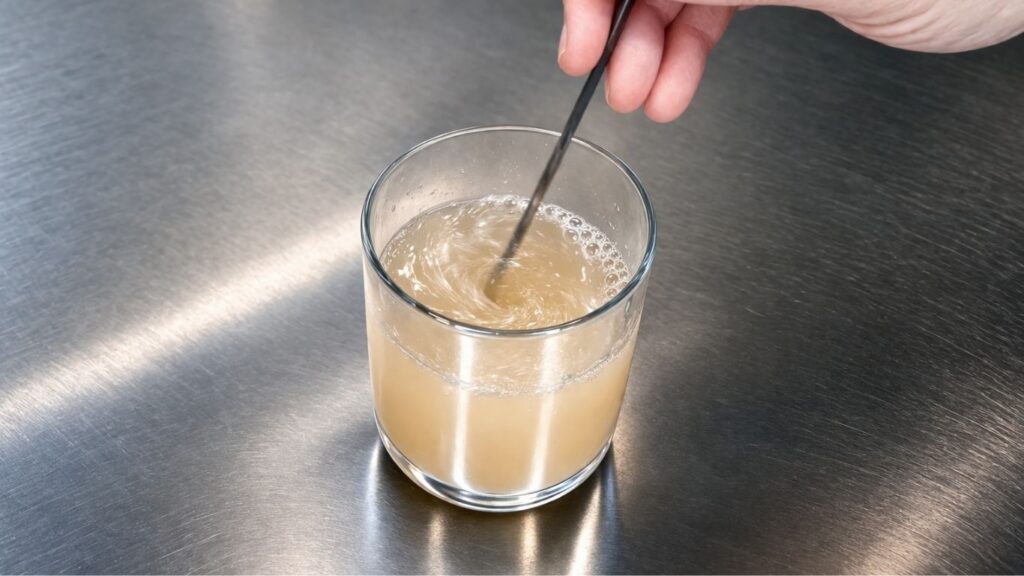
Pour 3 tablespoons plus 1 teaspoon (50 mL) of cold water into a small heatproof bowl. Sprinkle 0.35 ounce (10 g) of unflavored gelatin powder evenly over the surface and stir gently until all the powder is wet. Let it sit for 10 minutes, until the gelatin has absorbed the water and swollen into a thick, soft mass.
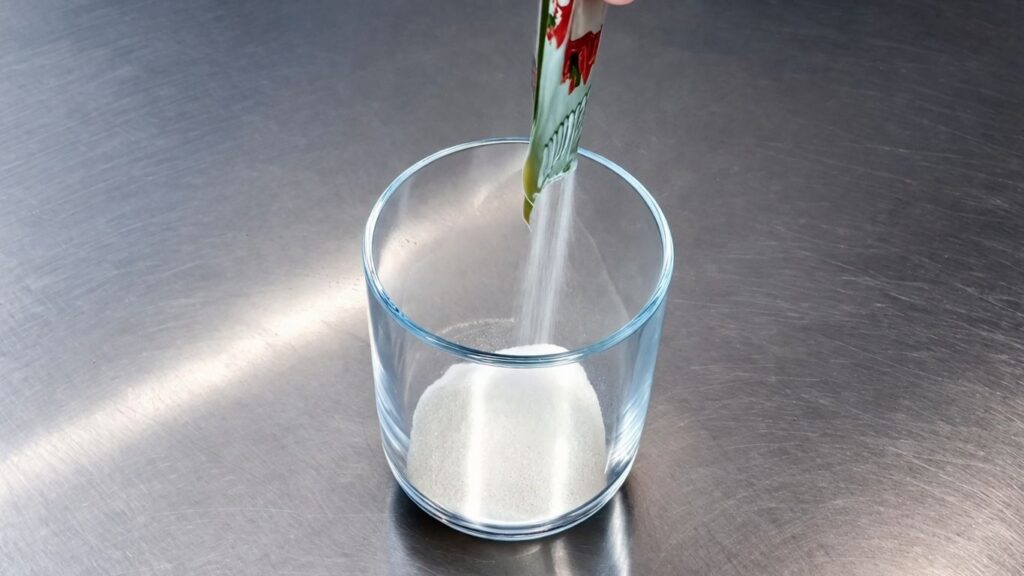
Step 2. Heat the Dextrose and Add the Gelatin and Butter
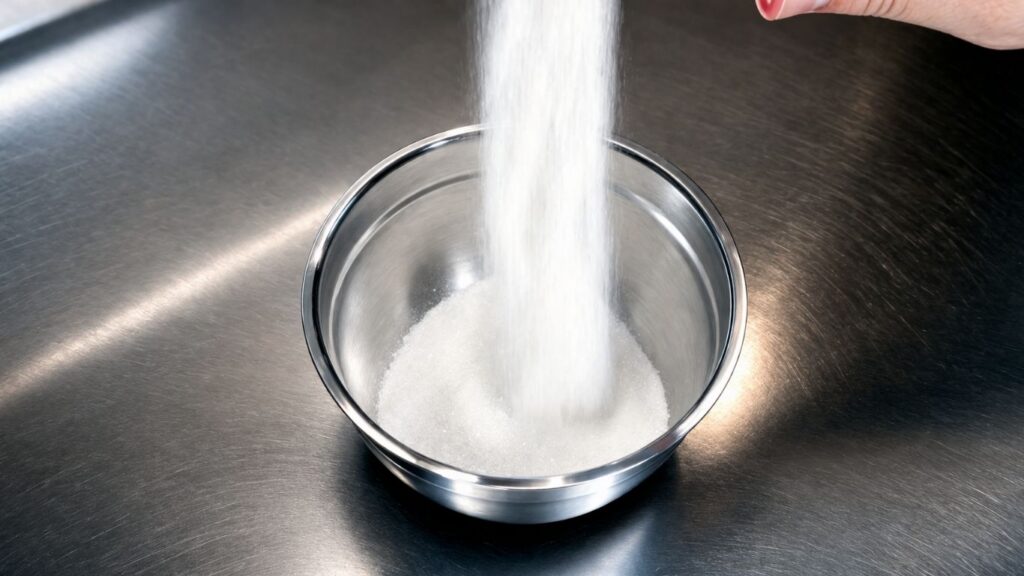
While the gelatin blooms, measure 1 kg of powdered sugar. Sift about 5¾ cups (700 g) into a large mixing bowl. Set the remaining 2½ cups (300 g) aside for dusting the work surface and adding as needed during kneading. A kitchen scale gives you the most consistent results because the amount of powdered sugar in a cup varies with how it’s filled.
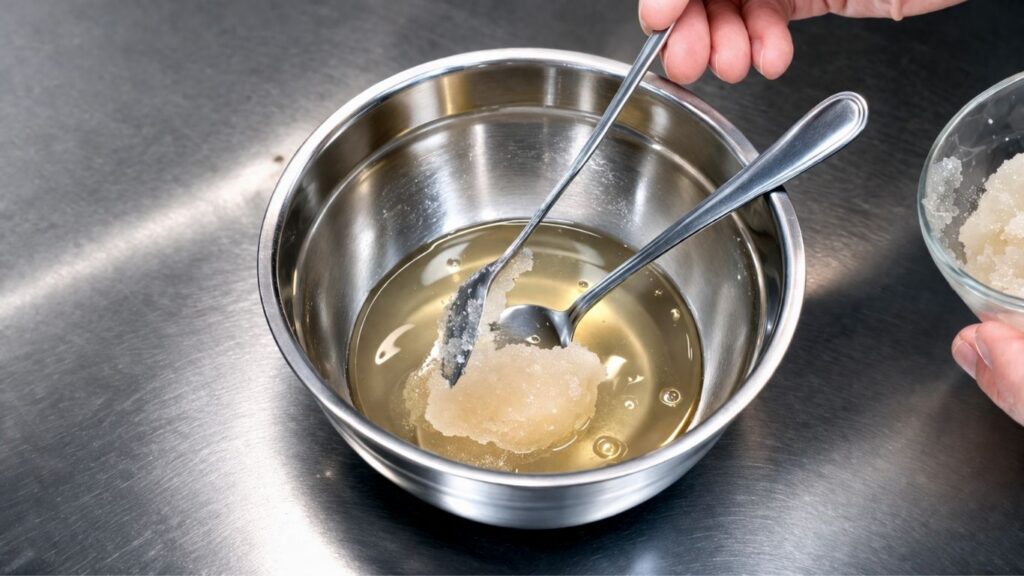
Step 3. Heat the Dextrose and Add the Gelatin and Butter
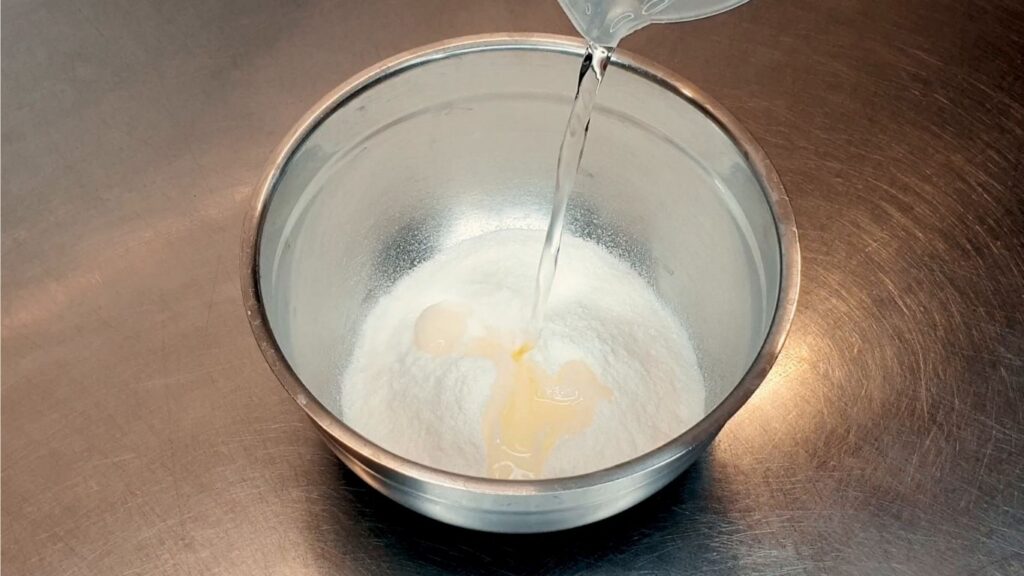
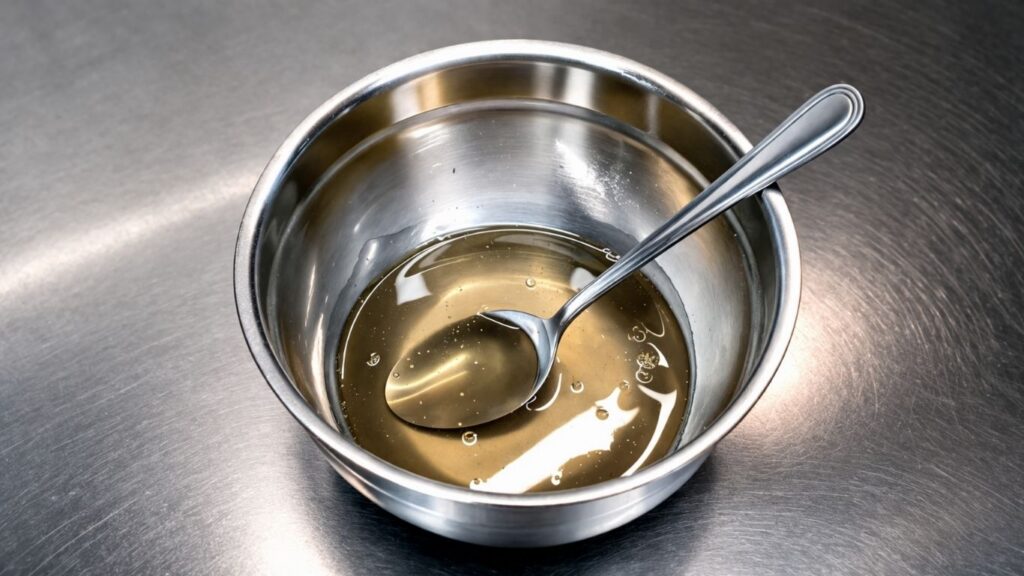
Put 3½ ounces (100 g) of dextrose powder and 2 teaspoons (10 mL) of water in a small saucepan. Heat over medium heat, stirring gently as the mixture warms. Once it reaches a full boil, let it boil for 10 seconds, then immediately remove the pan from the heat.
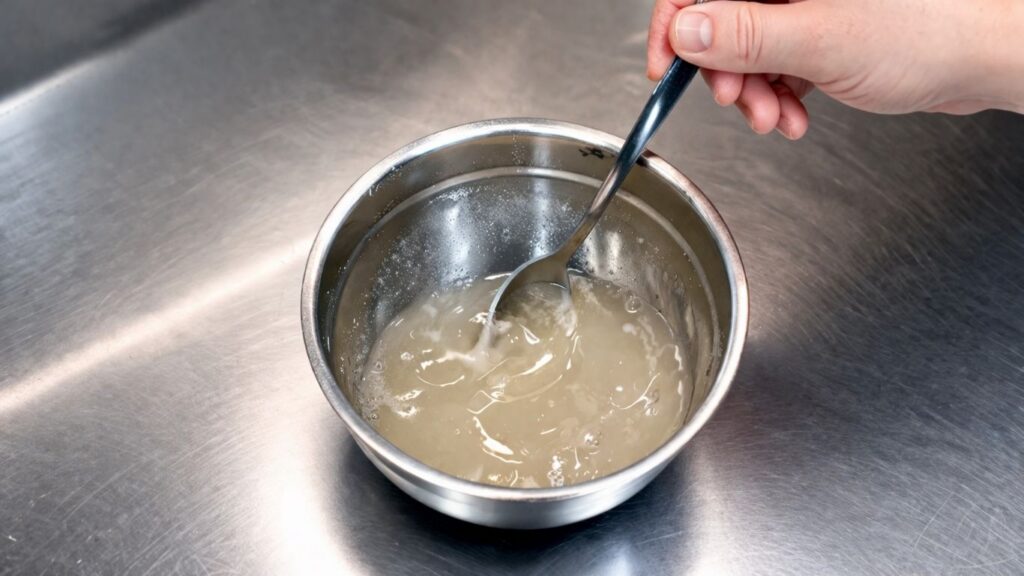
Add the bloomed gelatin to the hot dextrose mixture and stir until it has fully dissolved. Keep the pan off the heat. Add 3½ tablespoons (50 g) of unsalted butter and stir until the butter has melted and the mixture looks smooth and uniform. Go straight to the next step while the mixture is still warm and pourable.
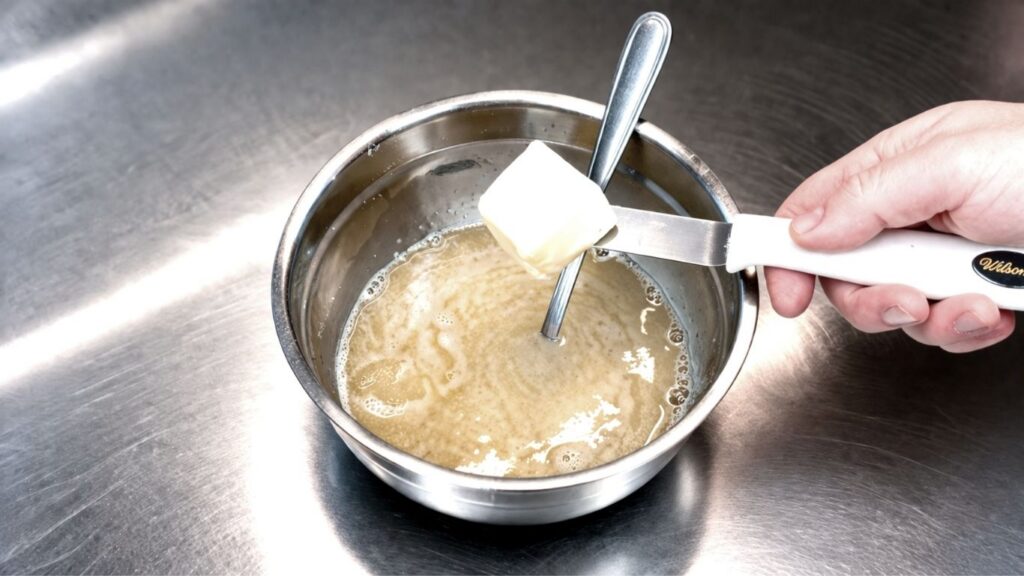
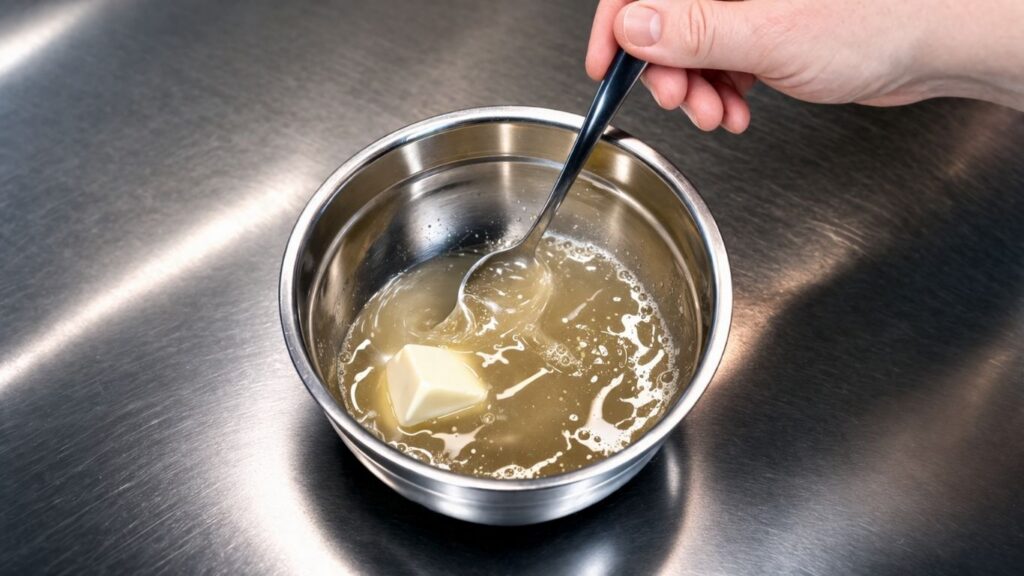
Step 4. Mix and Knead the Fondant
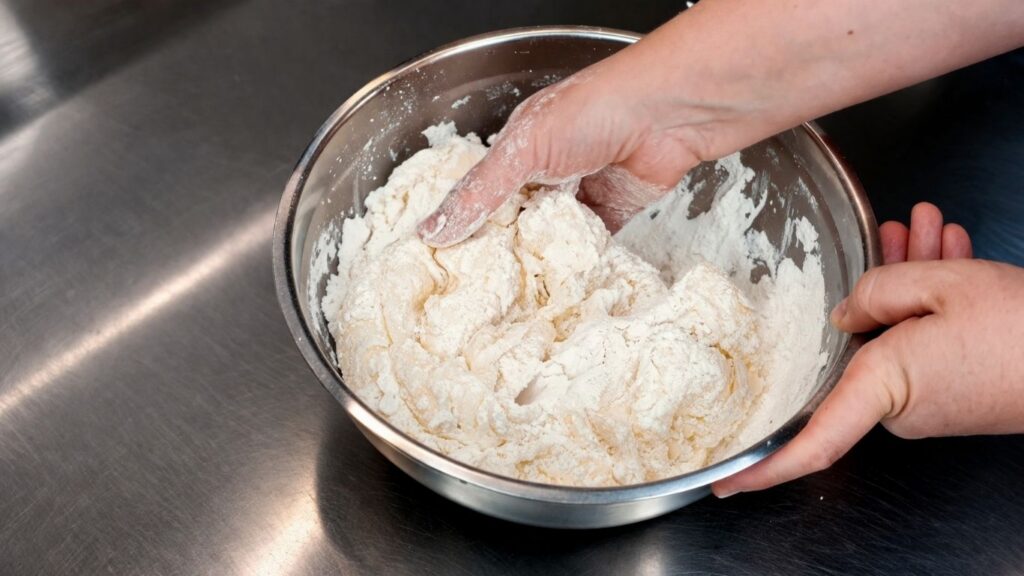
Slowly pour the warm mixture into the bowl with the 700 g of powdered sugar, stirring as you pour. Scrape the bottom and sides of the bowl as you mix. Once the fondant comes together in a thick mass and becomes hard to stir with a spoon, let it cool just until you can comfortably handle it.
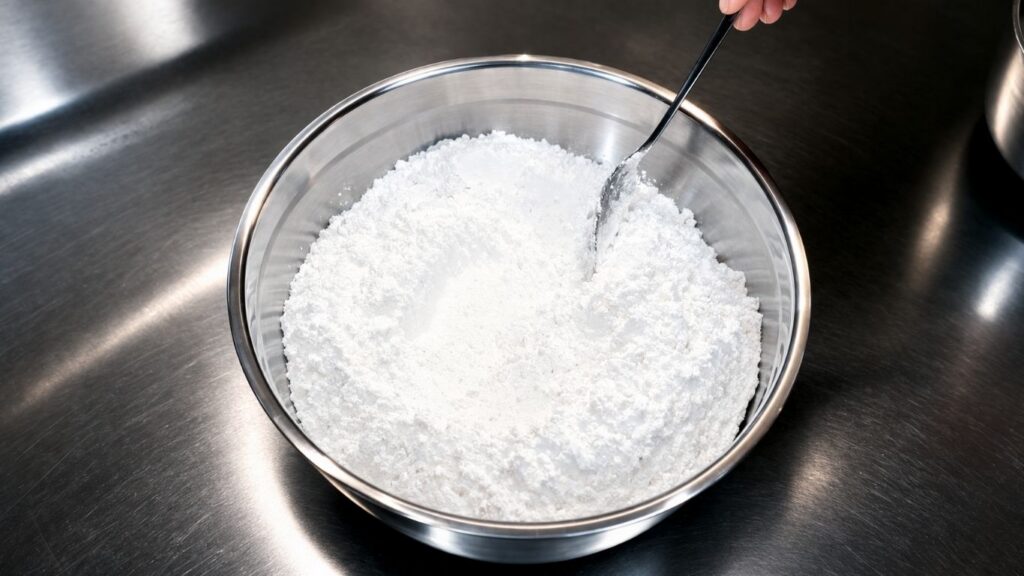
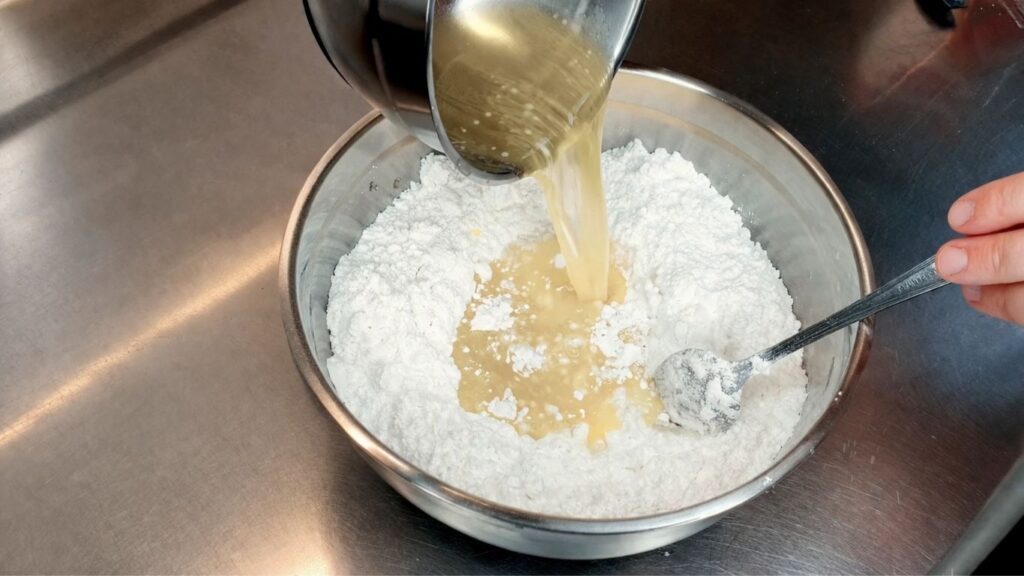
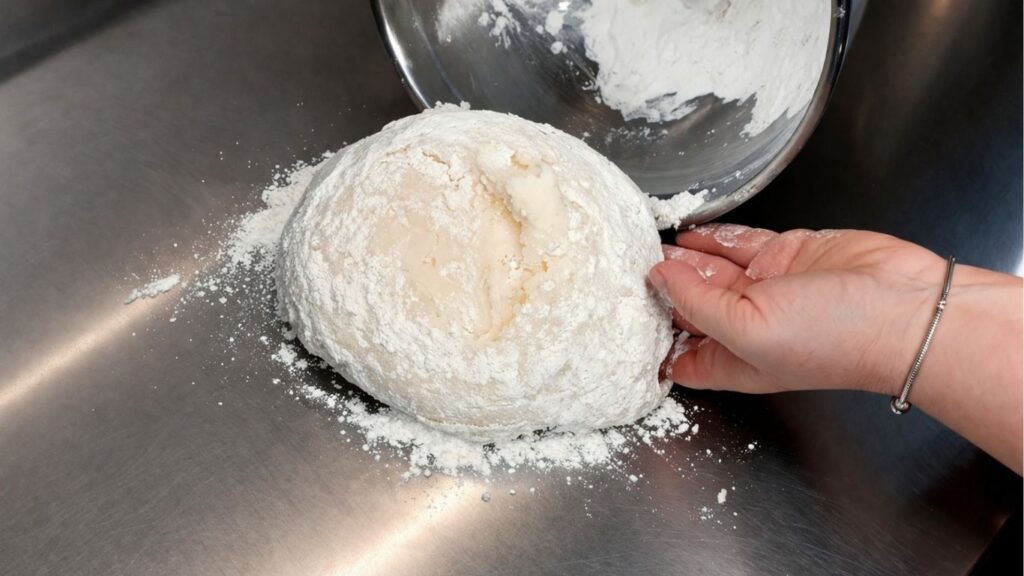
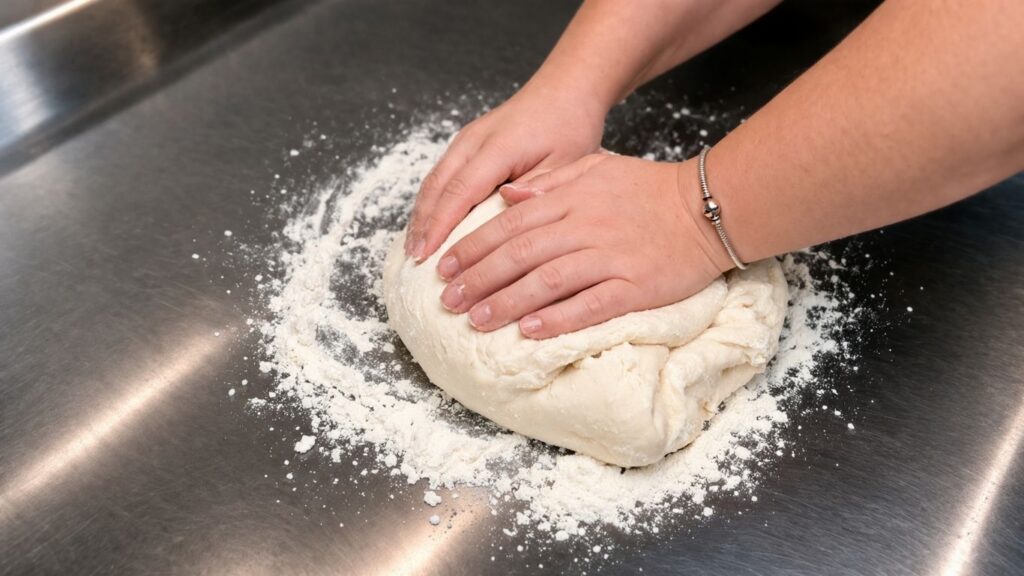
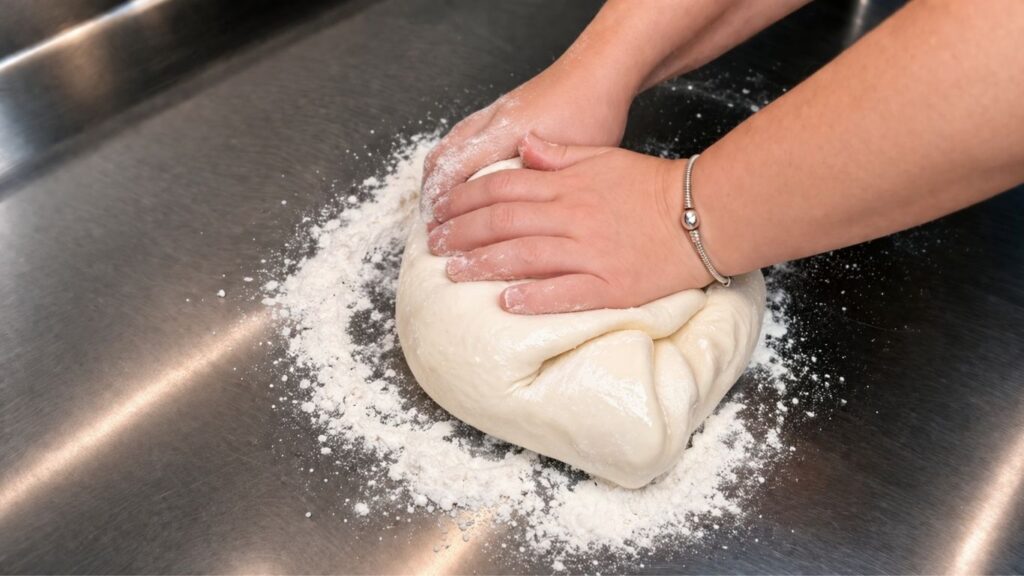
Lightly dust a clean work surface with some of the reserved powdered sugar. Turn the fondant out and knead it by hand for about 10 minutes. If it keeps sticking to your hands or the counter as you knead, work in a little of the reserved sugar at a time. The fondant is ready when it feels soft and pliable, holds together in a smooth ball, and lifts cleanly from the work surface. You may have some of the reserved sugar left over.
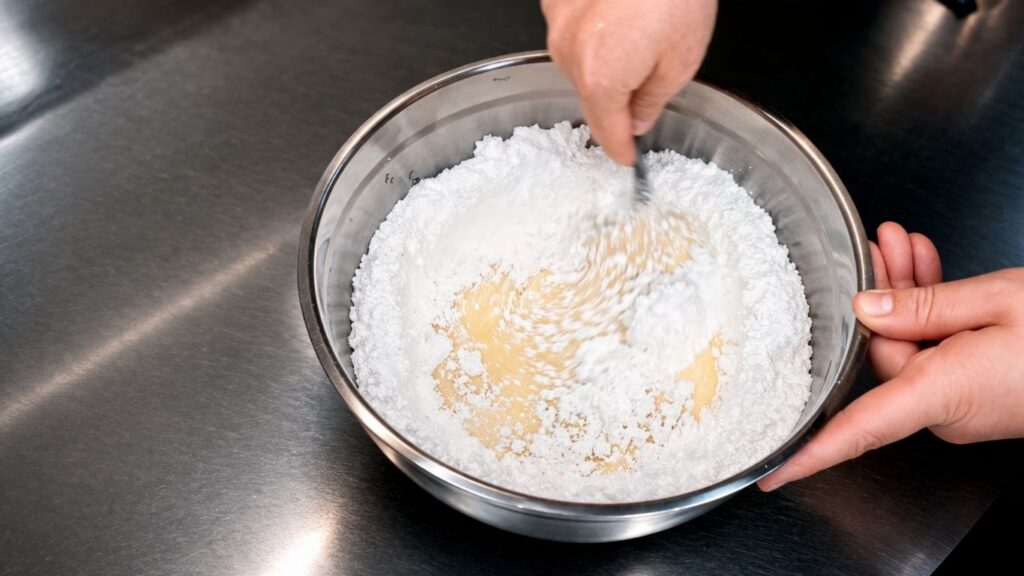
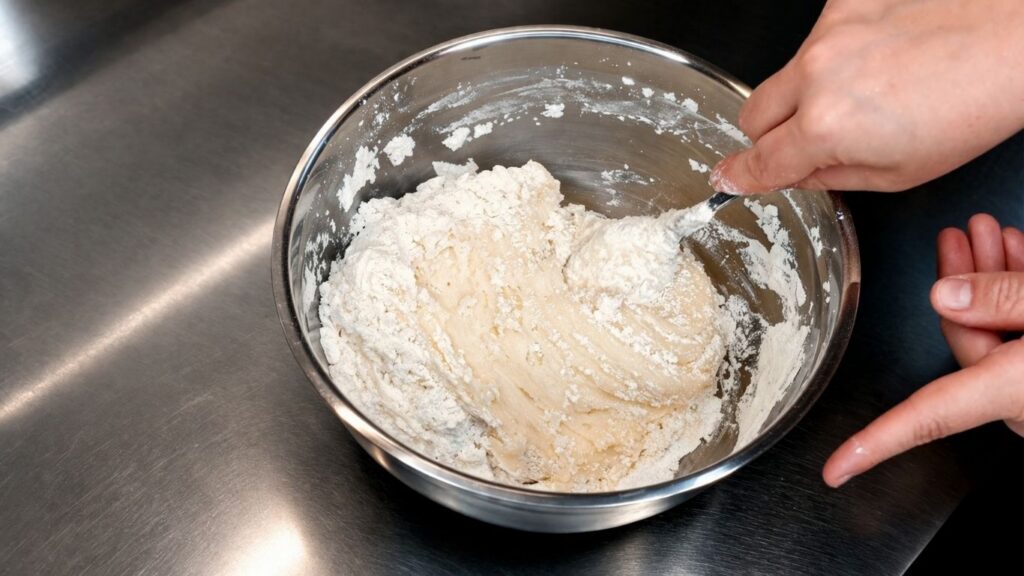

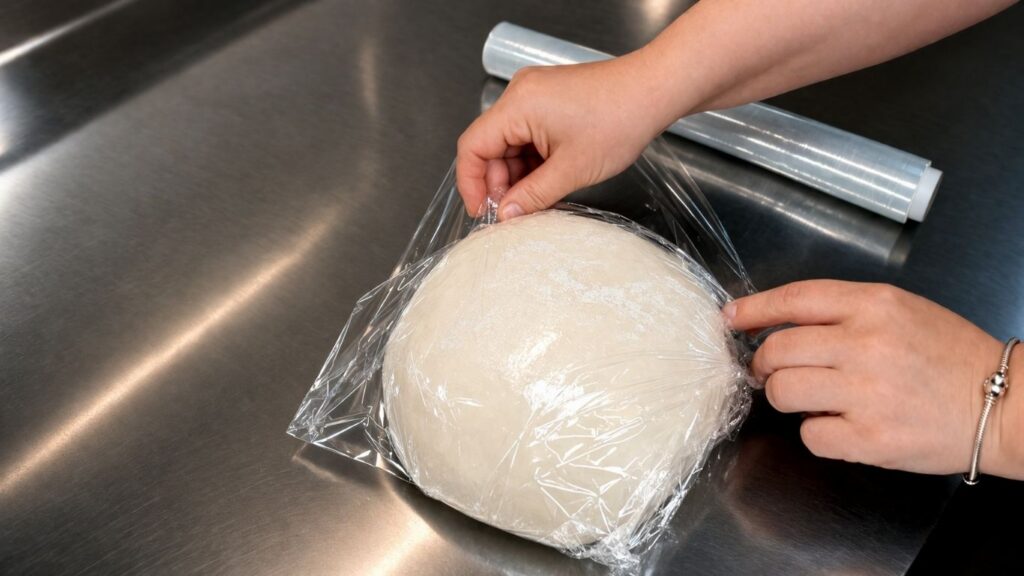
Step 5. Wrap and Rest the Fondant
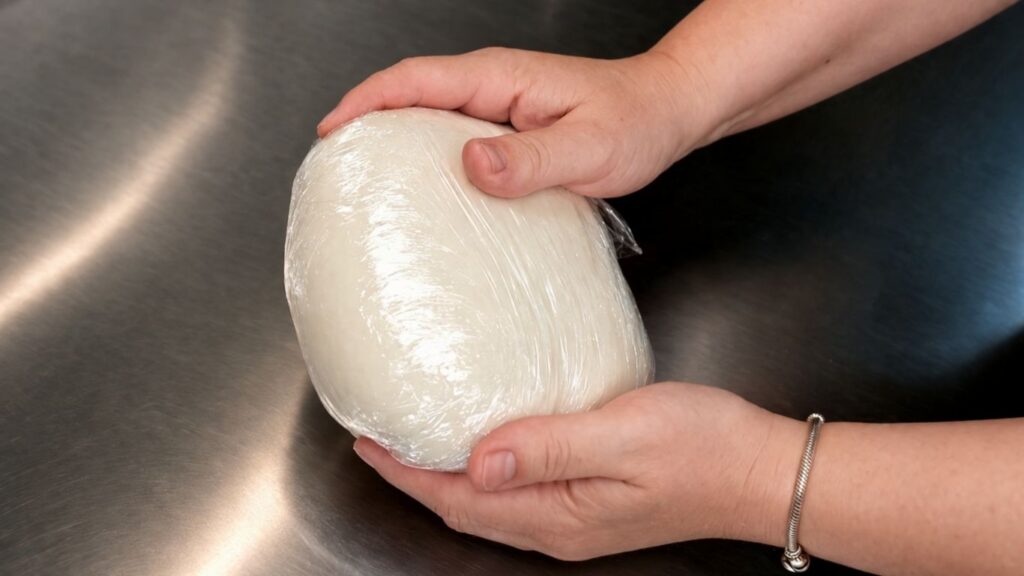
Shape the fondant into a ball and press plastic wrap snugly against the entire surface so the outside stays soft. Let it rest at room temperature for 30 minutes. It will firm up slightly as it rests.
Unwrap it and knead it briefly until it bends easily in your hands. If it still sticks after resting, knead in a little of the reserved powdered sugar. If you’re working with only part of the fondant, keep the rest tightly wrapped.
Step 6. Roll Out the Fondant and Cover the Cake
Lightly dust the work surface and rolling pin with powdered sugar. Roll the fondant into an even sheet large enough to cover the top and sides of the cake. Lift it occasionally as you roll and dust underneath only where it starts to stick.
Start with a cake coated in a smooth layer of buttercream or ganache. Drape the fondant over the cake and smooth the top first. Work down the sides a little at a time, gently lifting the loose edge where a fold starts to form. Trim the excess around the base once the sides are smooth.
Tips for Working with Homemade Fondant
- If it feels too firm, knead it briefly with your hands to soften it. If needed, warm a small portion for 5 seconds in a microwave-safe bowl, then check it before heating again.
- If it cracks or tears as you lift it, knead it until pliable and try rolling it a little thicker. Use only a light dusting of powdered sugar, since too much can make the fondant stiff and dry.
- If you want to color it, knead in a small dab of gel food coloring until no streaks remain. For a tiered cake, color enough fondant for all the tiers at once so the shades match.
Frequently Asked Questions
Can I make this homemade fondant recipe ahead of time?
Yes, absolutely! You can make this fondant a day or even a few days ahead of time. Simply wrap it tightly in plastic wrap, store it at room temperature, and it will be ready to use whenever you need it. Just give it a quick knead before rolling it out and it will be as good as freshly made.
Can I use this fondant to make decorations and figures?
Yes! This fondant is perfect for making flowers, figures, and all kinds of decorations. Shape it however you like and allow the decorations to air dry at room temperature for 24 to 48 hours depending on their thickness. The thicker the decoration, the longer it needs to dry.
Can I double this recipe for a larger cake?
Yes, you can double or even triple this recipe without any problems. When making a large tiered cake in one color, it is best to color all the fondant at once so that the shades match perfectly across all tiers.
What is the difference between fondant and buttercream?
Fondant is a rolled sugar paste that gives cakes a perfectly smooth, polished finish that you simply cannot achieve with buttercream. Buttercream is soft and creamy and is applied with a spatula or piping bag. Many bakers actually use both – a thin layer of buttercream underneath the fondant to help it stick and create an even surface.
Can I add flavor to this fondant?
Yes! You can add a few drops of your favorite clear extract – such as vanilla, almond, or lemon – directly into the fondant while kneading. Always use a clear extract if you want to keep the fondant perfectly white.
Watch the Full Homemade Fondant Recipe Video
Conclusion
This is the homemade fondant recipe I’ve used for 15 years, from covering single-tier birthday cakes to decorating tiered wedding cakes. I keep coming back to it because it rolls out smoothly and stays pliable as I work it around the sides of a cake.
My best tip is to start with 700 g of powdered sugar and add more a little at a time only if the fondant still sticks as you knead. Give it the full 30 minutes to rest before rolling it out. That’s how I keep it soft enough to drape over the cake without cracking.
If you make this fondant, leave a comment and tell me what cake you decorated. I’d love to hear how it turned out!
Happy decorating! 🎂

Homemade Fondant Recipe
Ingredients
Equipment
Method
- Bloom the gelatin. Pour the 50 mL of cold water into a small heatproof bowl. Sprinkle the gelatin evenly over the water and stir gently until all the powder is wet. Let it stand for 10 minutes, until the gelatin swells and thickens.
- Divide the powdered sugar. While the gelatin blooms, sift about 5¾ cups (700 g) of powdered sugar into a large mixing bowl. Set the remaining 2½ cups (300 g) aside for dusting and kneading as needed.
- Heat the dextrose. Combine the dextrose powder and 2 teaspoons (10 mL) of water in a small saucepan. Heat over medium heat, stirring gently. Once the mixture reaches a full boil, boil it for 10 seconds, then immediately remove the pan from the heat.
- Add the gelatin and butter. Stir the bloomed gelatin into the hot dextrose mixture until it dissolves. With the pan still off the heat, add the butter and stir until melted and smooth.
- Mix and knead the fondant. Slowly pour the warm mixture into the bowl with the 700 g of powdered sugar, stirring as you pour. Mix until it forms a thick mass, then let it cool just until comfortable to handle. Turn it out onto a work surface lightly dusted with some of the reserved sugar. Knead by hand for about 10 minutes, adding a little more of the reserved sugar only if the fondant sticks. It’s ready when it’s smooth, soft, pliable, and lifts cleanly from the counter.
- Wrap and rest. Shape the fondant into a ball, wrap it tightly in plastic wrap, and let it rest at room temperature for 30 minutes. Unwrap it and knead briefly until pliable.
- Roll out the fondant. Lightly dust the counter and rolling pin with powdered sugar. Roll the fondant evenly and drape it over a cake coated with a smooth layer of buttercream or ganache. Smooth the top first, then work down the sides and trim the excess at the base.
Notes
-
- Weigh the powdered sugar for the most consistent results. Start with 700 g and use only as much of the remaining 300 g as needed. Too much sugar can make the fondant stiff and prone to cracking.
- Check the texture after resting. If it still sticks, knead in a little reserved sugar. If it feels firm, knead it briefly with your hands before rolling.
- Use gel food coloring. Knead in a small amount at a time until the color is even.
- Keep unused fondant covered. Wrap it tightly in plastic wrap and place it in an airtight container so the surface stays soft.