Bloom the gelatin. Pour the 50 mL of cold water into a small heatproof bowl. Sprinkle the gelatin evenly over the water and stir gently until all the powder is wet. Let it stand for 10 minutes, until the gelatin swells and thickens.
Divide the powdered sugar. While the gelatin blooms, sift about 5¾ cups (700 g) of powdered sugar into a large mixing bowl. Set the remaining 2½ cups (300 g) aside for dusting and kneading as needed.
Heat the dextrose. Combine the dextrose powder and 2 teaspoons (10 mL) of water in a small saucepan. Heat over medium heat, stirring gently. Once the mixture reaches a full boil, boil it for 10 seconds, then immediately remove the pan from the heat.
Add the gelatin and butter. Stir the bloomed gelatin into the hot dextrose mixture until it dissolves. With the pan still off the heat, add the butter and stir until melted and smooth.
Mix and knead the fondant. Slowly pour the warm mixture into the bowl with the 700 g of powdered sugar, stirring as you pour. Mix until it forms a thick mass, then let it cool just until comfortable to handle. Turn it out onto a work surface lightly dusted with some of the reserved sugar. Knead by hand for about 10 minutes, adding a little more of the reserved sugar only if the fondant sticks. It’s ready when it’s smooth, soft, pliable, and lifts cleanly from the counter.
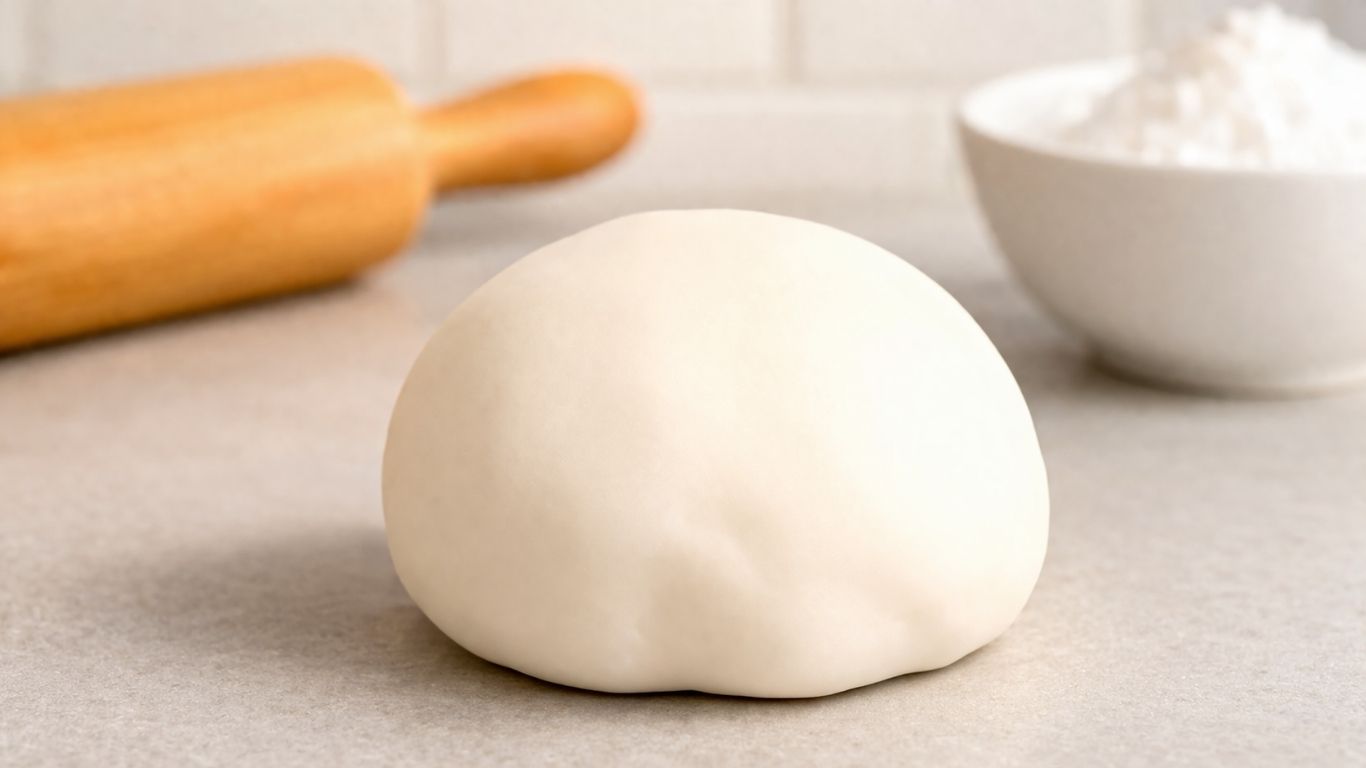
Wrap and rest. Shape the fondant into a ball, wrap it tightly in plastic wrap, and let it rest at room temperature for 30 minutes. Unwrap it and knead briefly until pliable.
Roll out the fondant. Lightly dust the counter and rolling pin with powdered sugar. Roll the fondant evenly and drape it over a cake coated with a smooth layer of buttercream or ganache. Smooth the top first, then work down the sides and trim the excess at the base.