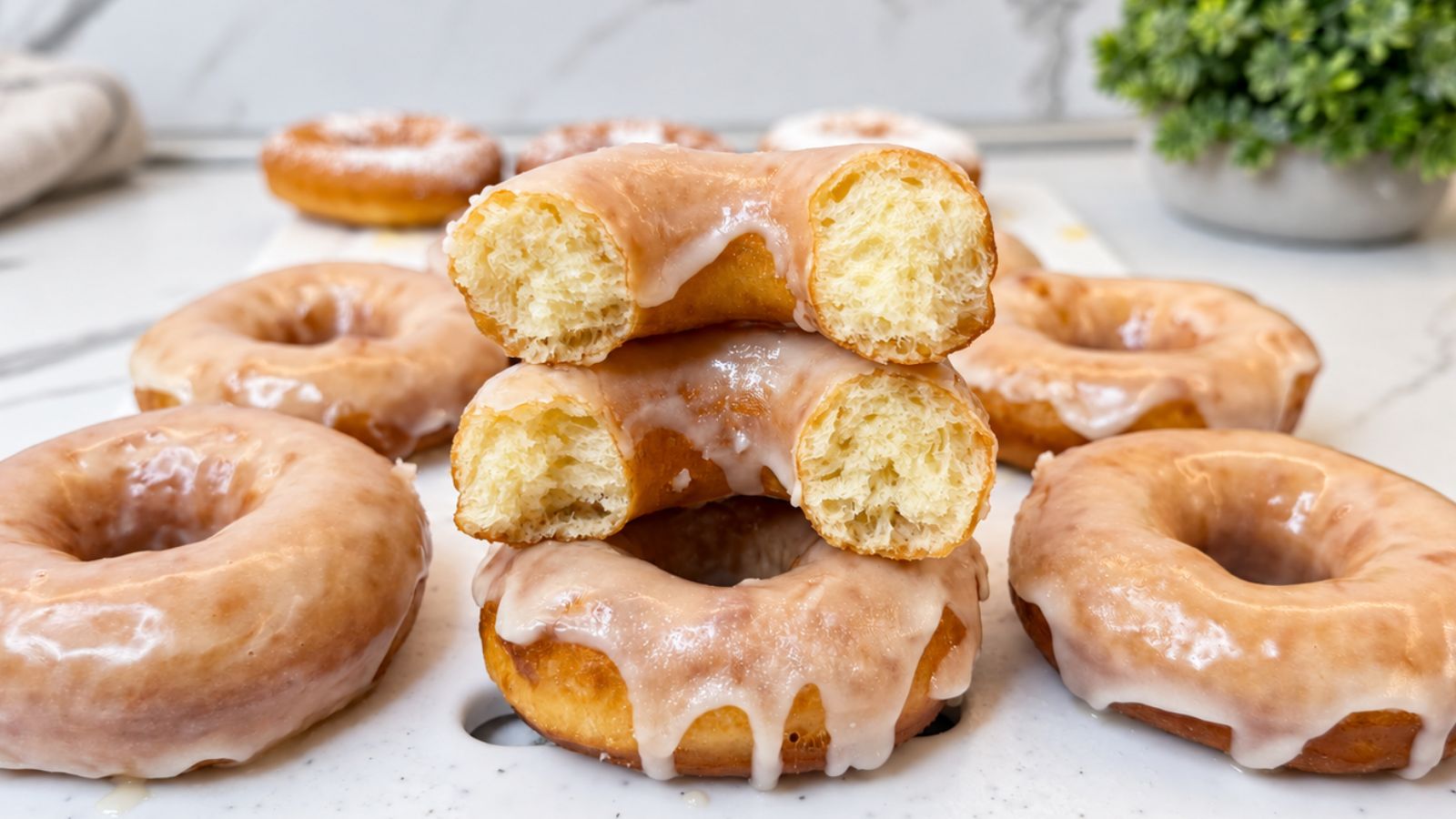
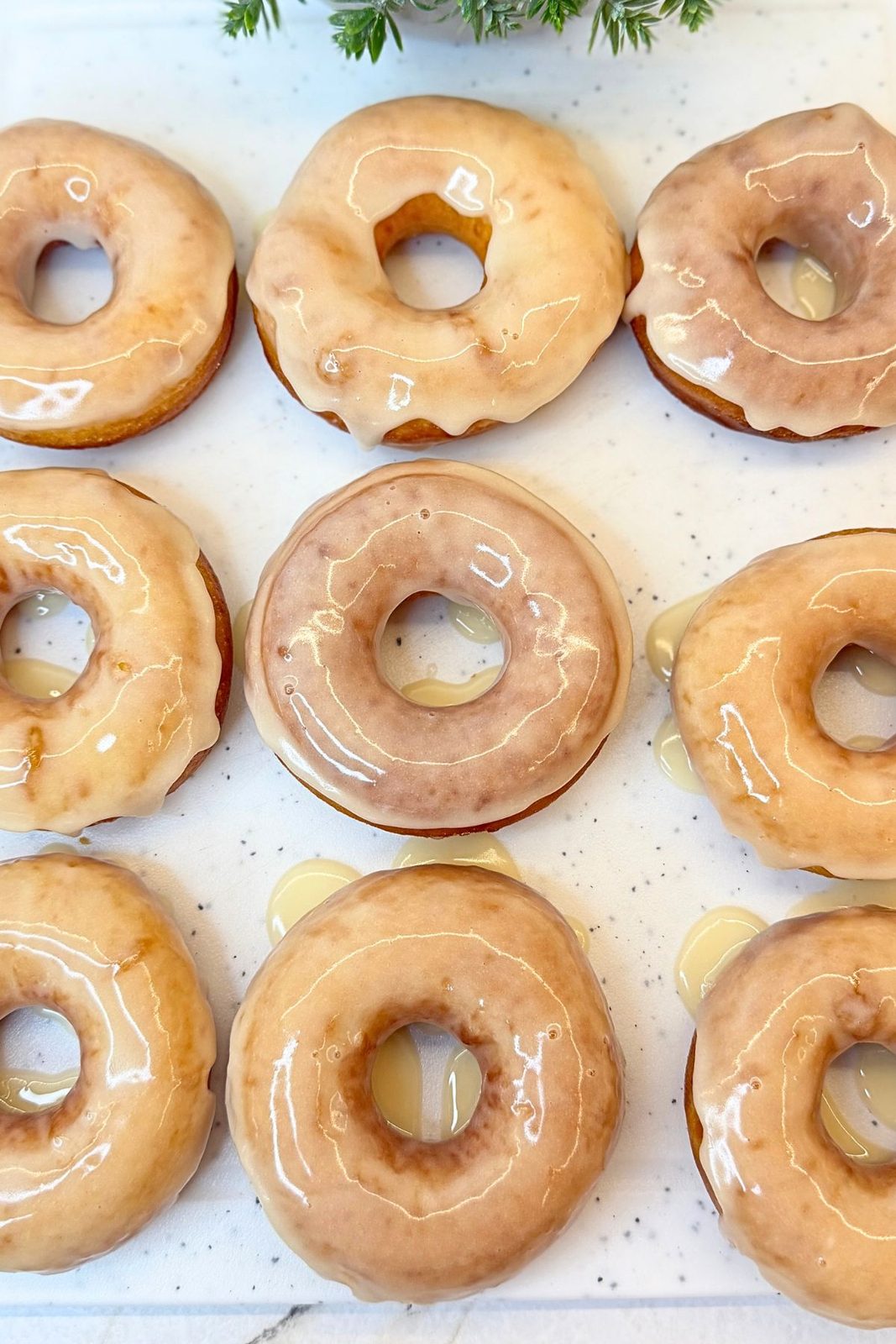
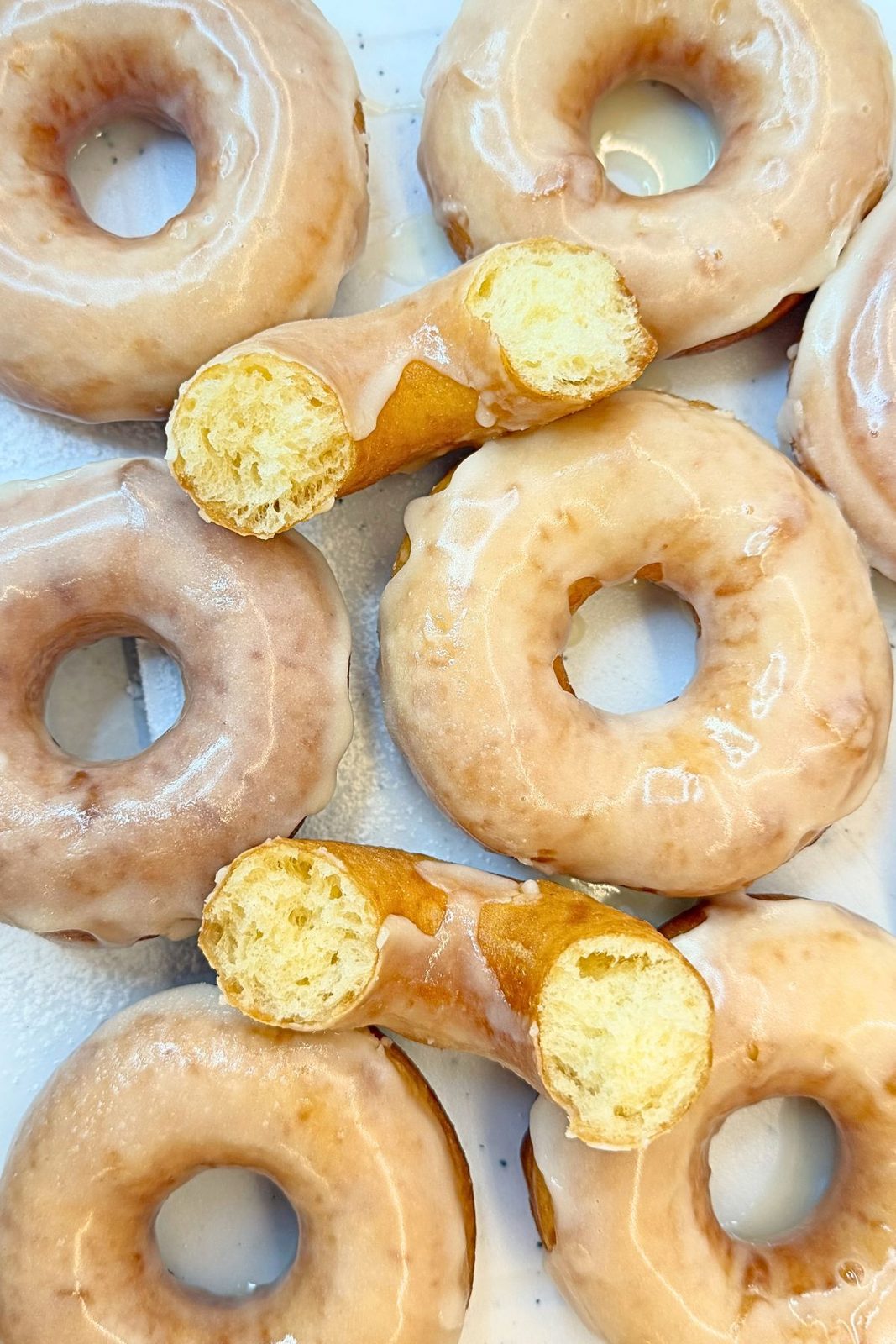
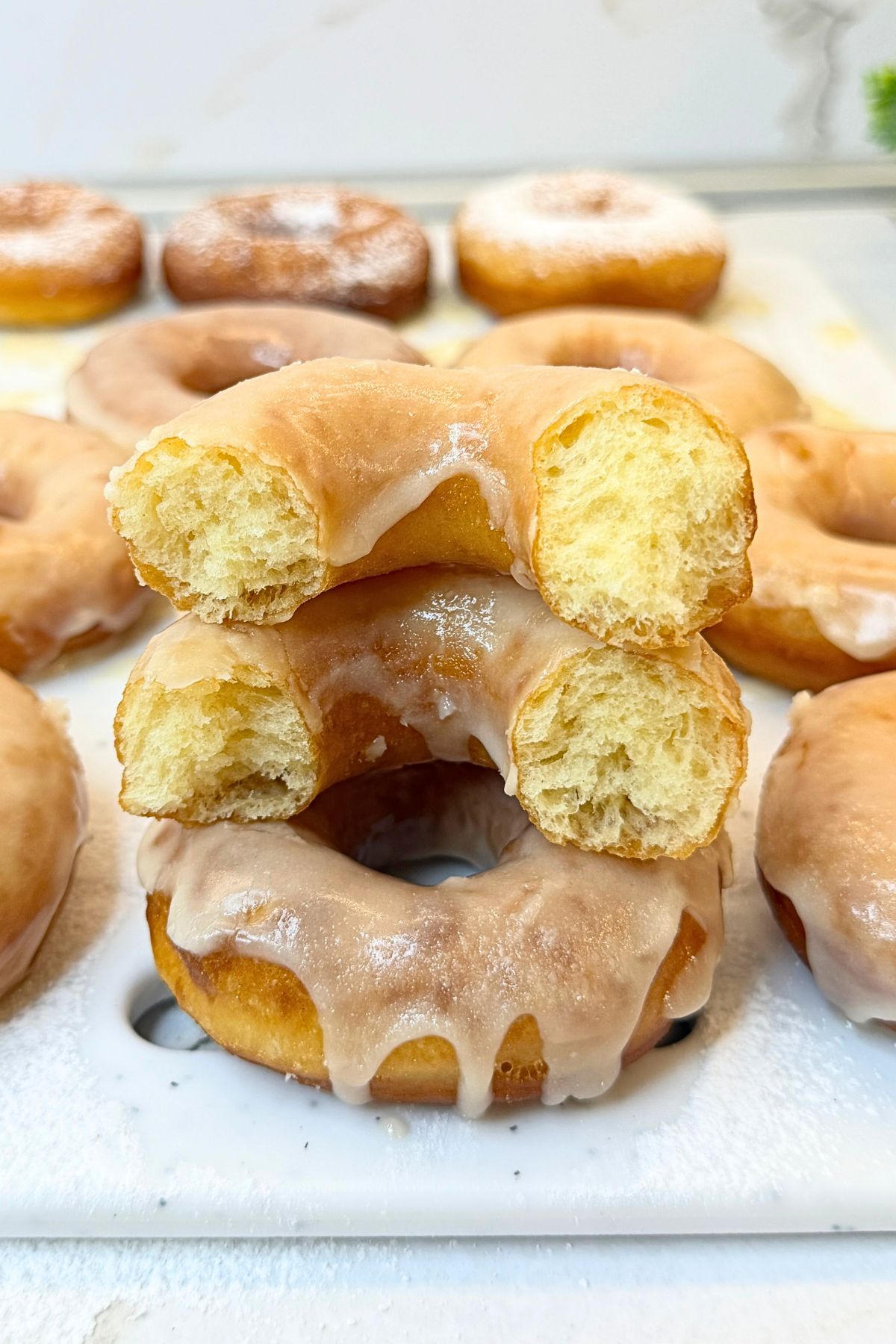
These homemade glazed donuts bring that classic bakery-style treat straight to your kitchen. Made with a buttery yeast dough, they fry up golden on the outside with a soft, fluffy center, then get dipped in a smooth vanilla glaze.
There’s something so satisfying about making donuts from scratch, from cutting the little rings to adding that sweet finishing touch. This recipe makes 20 donuts plus 20 little donut holes, perfect for sharing over coffee or enjoying as a weekend breakfast treat.
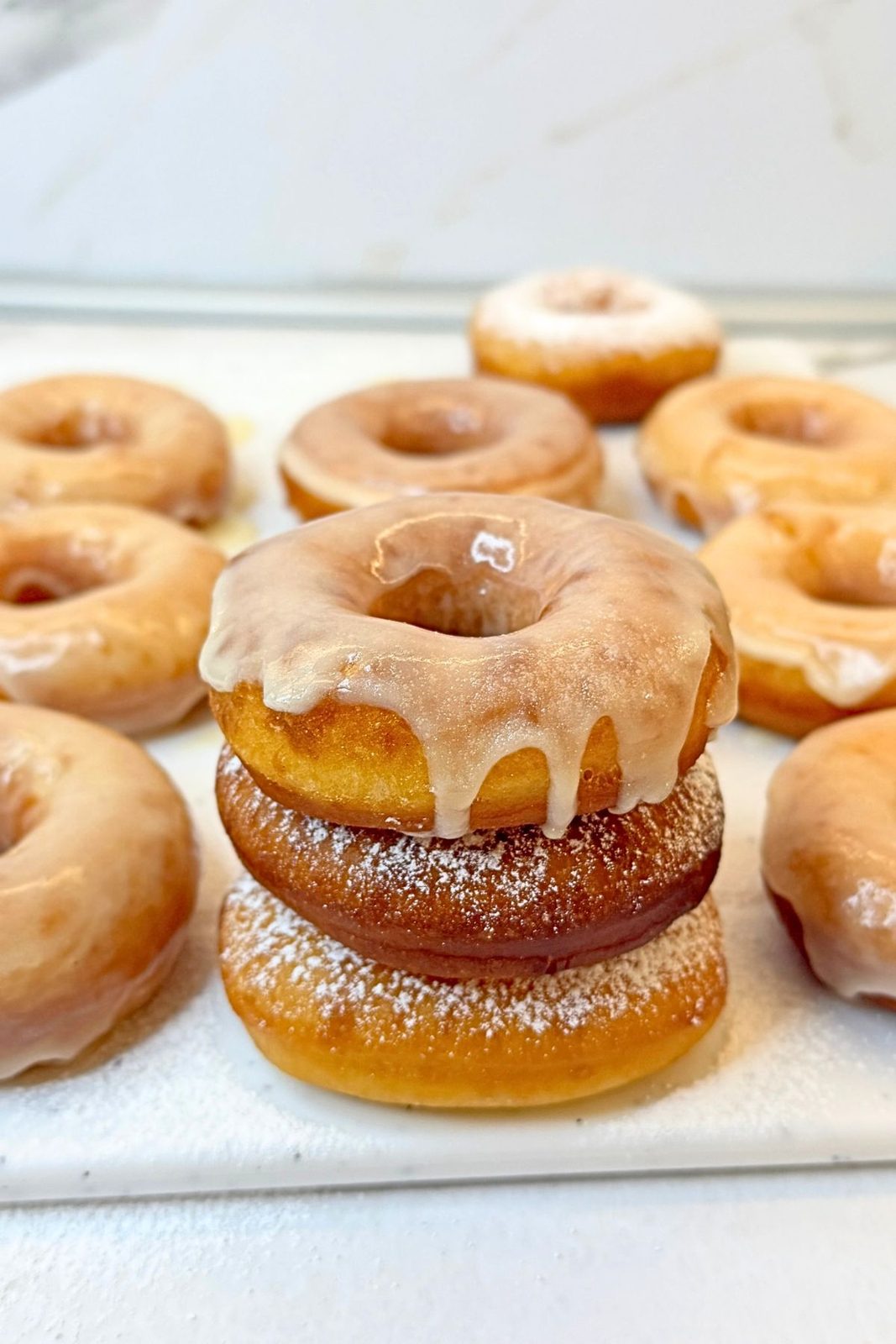
If you enjoy working with homemade dough, these glazed donuts are a delicious weekend project. Just like my homemade cinnamon rolls, they turn simple ingredients into a soft, comforting treat worth sharing.
New to yeast dough? King Arthur Baking’s yeast guide is a helpful place to learn the basics. Below, I’ll walk you through shaping, frying, and glazing your donuts, including a simple parchment-paper trick that makes transferring them to the oil easier.
Quick Recipe Info
- Yield: 20 glazed donuts + 20 donut holes
- Prep Time: About 30 minutes
- Yeast Activation: 10 minutes
- Rise Time: 1 hour 30 minutes
- Frying Time: About 25–30 minutes, in batches
- Cooling and Glazing: About 15 minutes
- Total Time: Approximately 3 hours
- Difficulty: Moderate
- Texture: Soft and fluffy with a sweet vanilla glaze
- Perfect for: Breakfast, brunch, or dessert
Why You’ll Love These Glazed Donuts
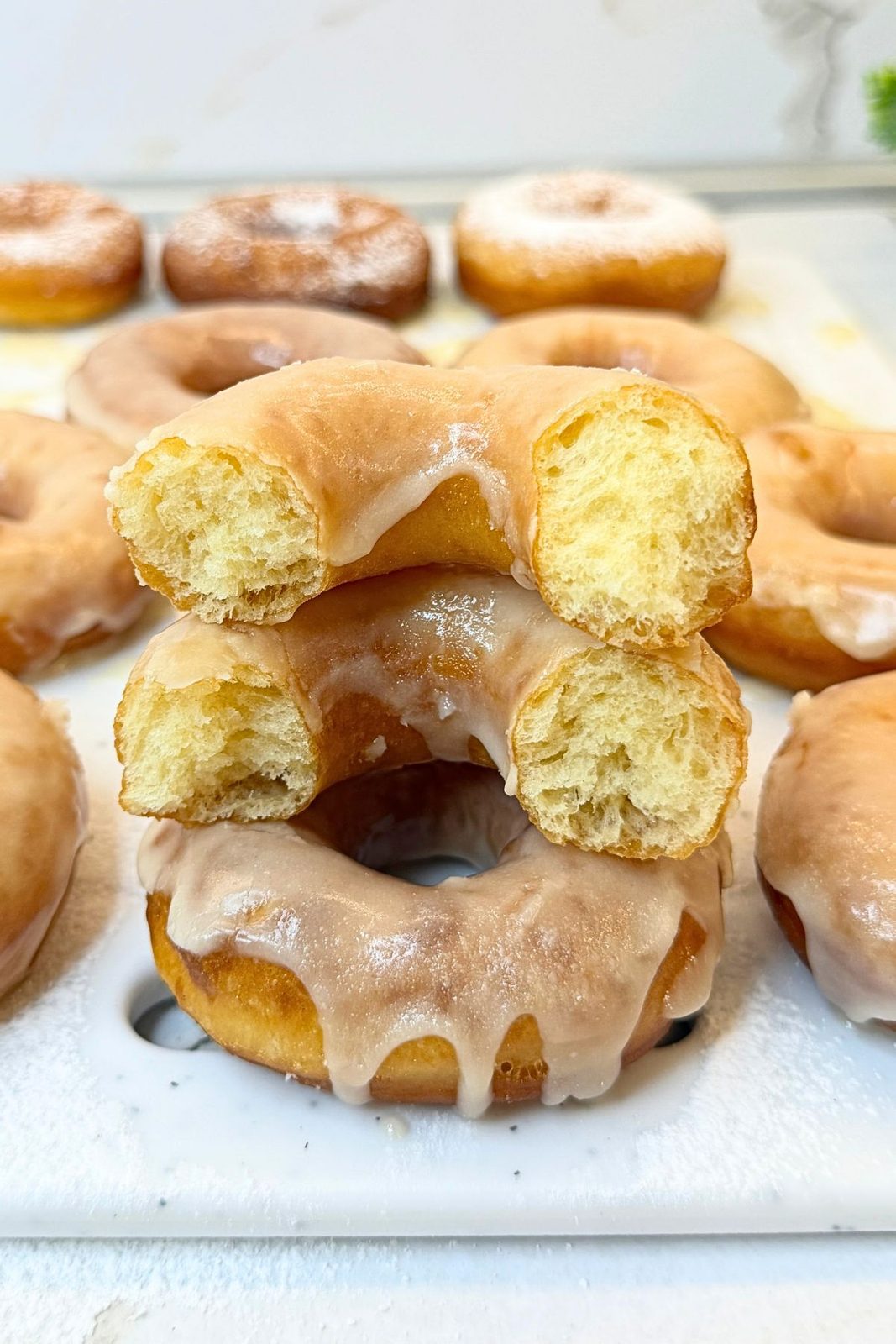
- Soft and fluffy: A buttery yeast dough gives these donuts a tender, airy center with a golden exterior.
- Classic vanilla glaze: Just powdered sugar, milk, and vanilla create a smooth, sweet finish.
- Simple ingredients: Made from everyday staples, with no special donut pan needed.
- Perfect for sharing: This recipe makes 20 glazed donuts, plus 20 bite-sized donut holes.
- Step-by-step guidance: Photos walk you through the process, and individual parchment squares make transferring the delicate dough to the oil easier.
Ingredients You’ll Need
These bakery-style glazed donuts come together with simple ingredients. You’ll find the full measurements in the recipe card below.
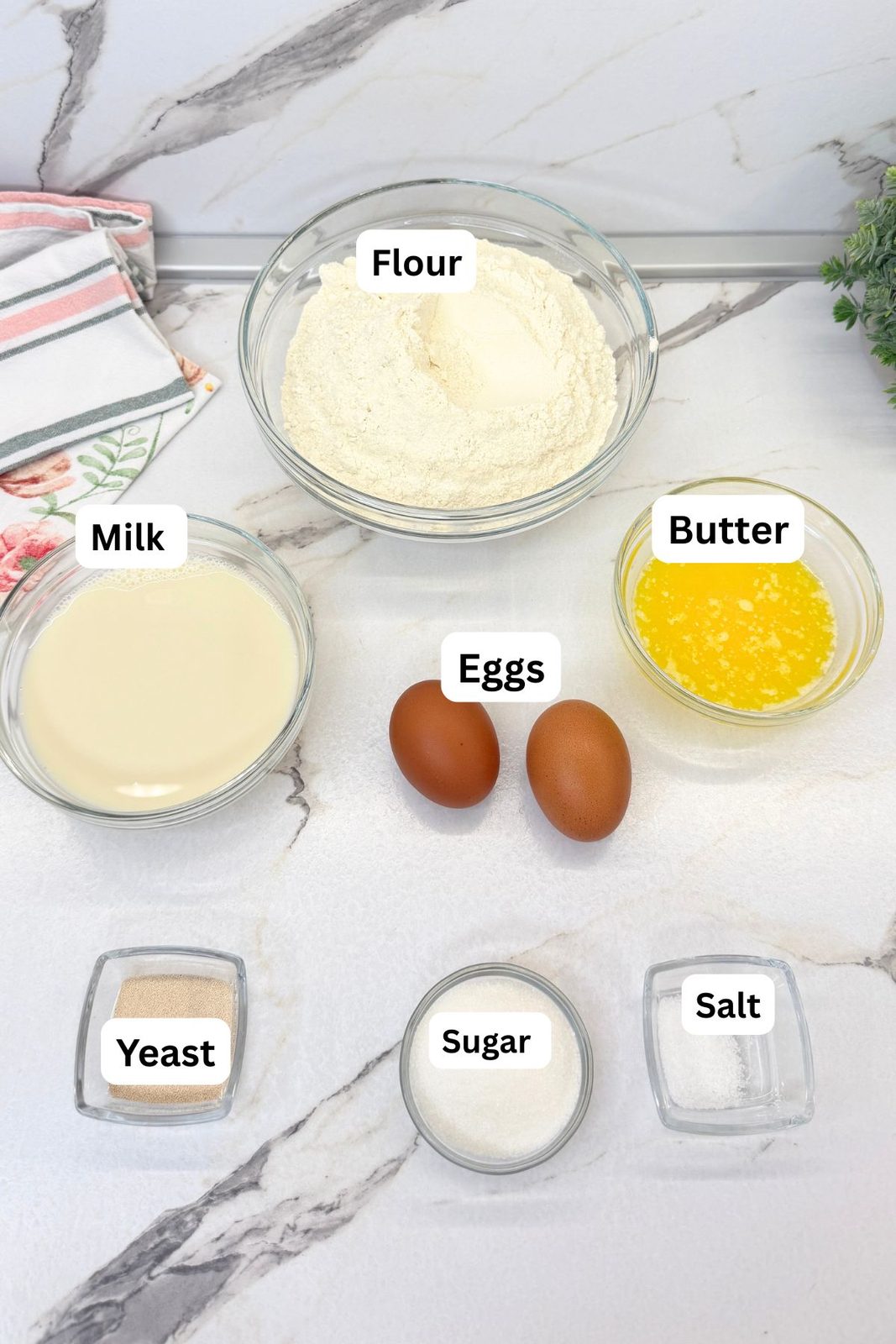
- All-purpose flour: Gives the dough structure while keeping the donuts tender.
- Whole milk: Adds richness; use it warm, not hot, for the yeast mixture.
- Yeast: Helps the dough rise for a light, fluffy texture.
- Granulated sugar: Lightly sweetens the dough.
- Eggs: Add richness and help create a soft crumb.
- Melted butter: Adds buttery flavor; let it cool slightly before mixing.
- Salt: Balances the sweetness and brings out the flavor.
- Neutral oil: For frying, such as canola or vegetable oil.
- Vanilla glaze: Powdered sugar, milk, and vanilla extract make the smooth, sweet topping.
How to Make Glazed Donuts
1. Activate the Yeast
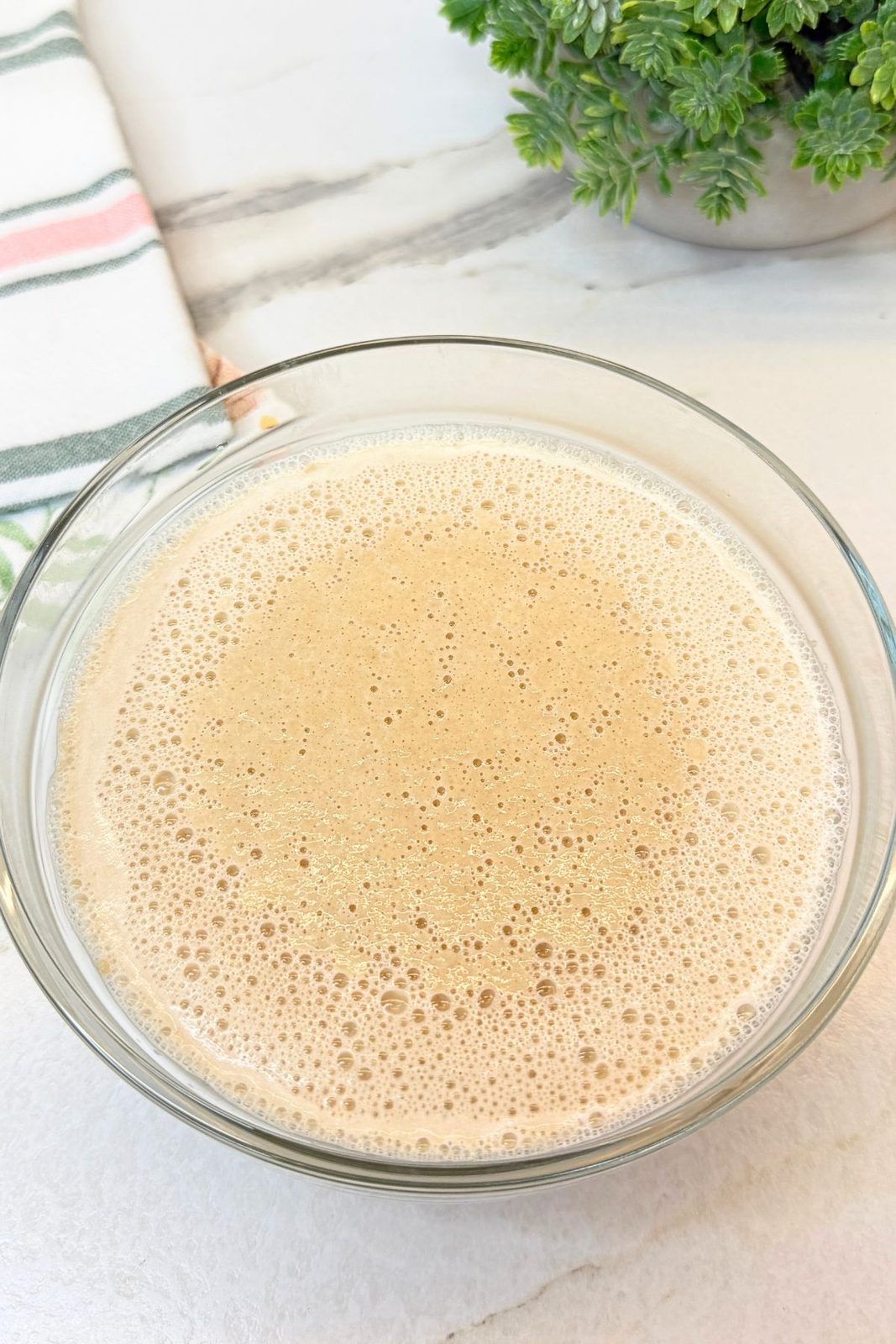
Mix the warm milk with the yeast and the small amount of sugar reserved for activating it. Let the mixture stand for about 10 minutes, until foamy. The milk should be warm, not hot.
2. Make the Dough
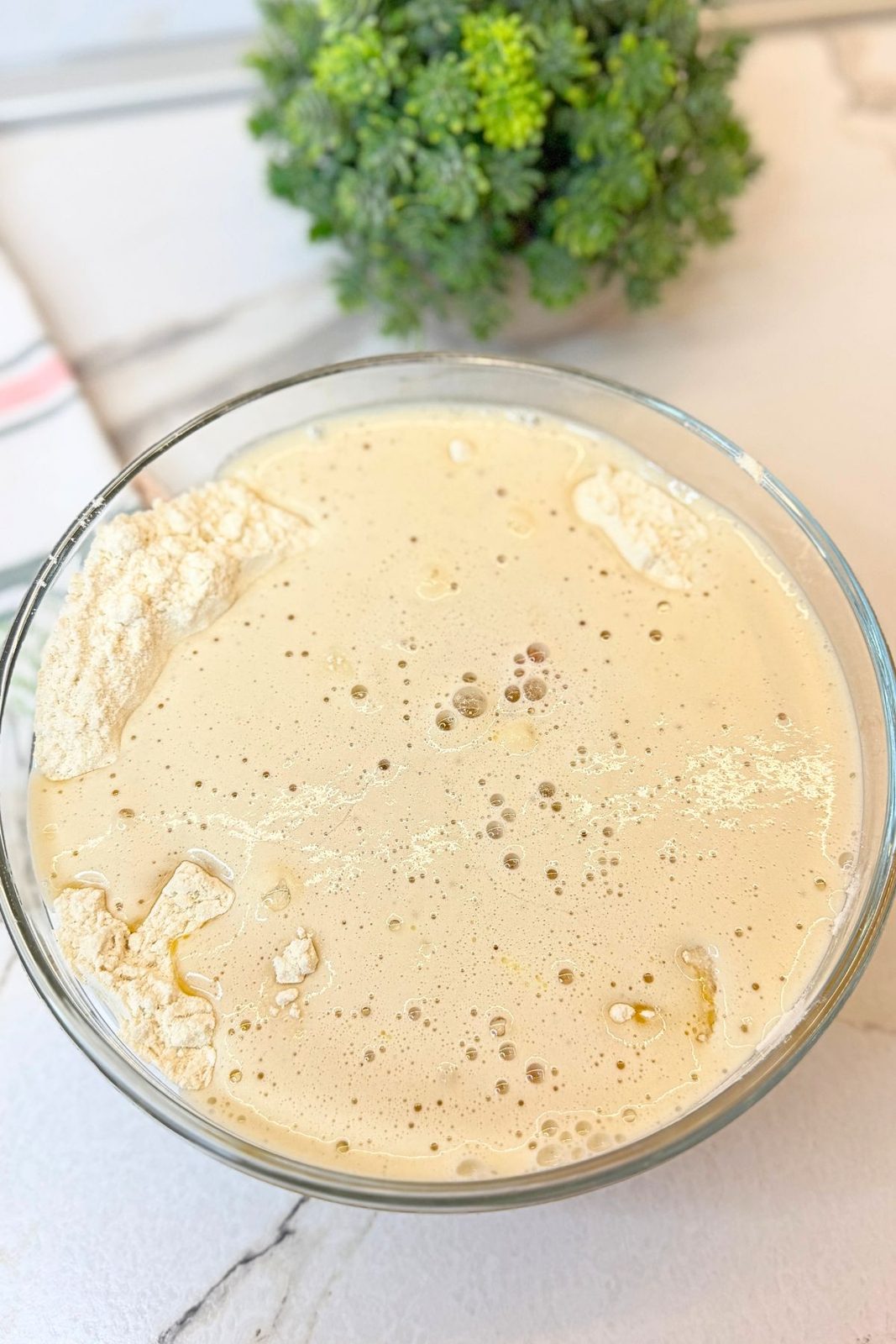
Combine the flour and salt in a large bowl. Add the yeast mixture, eggs, slightly cooled melted butter, and remaining sugar. Mix until the ingredients come together, then knead until the dough is smooth and elastic. Avoid adding too much extra flour, which can make the donuts dense.
3. Let the Dough Rise
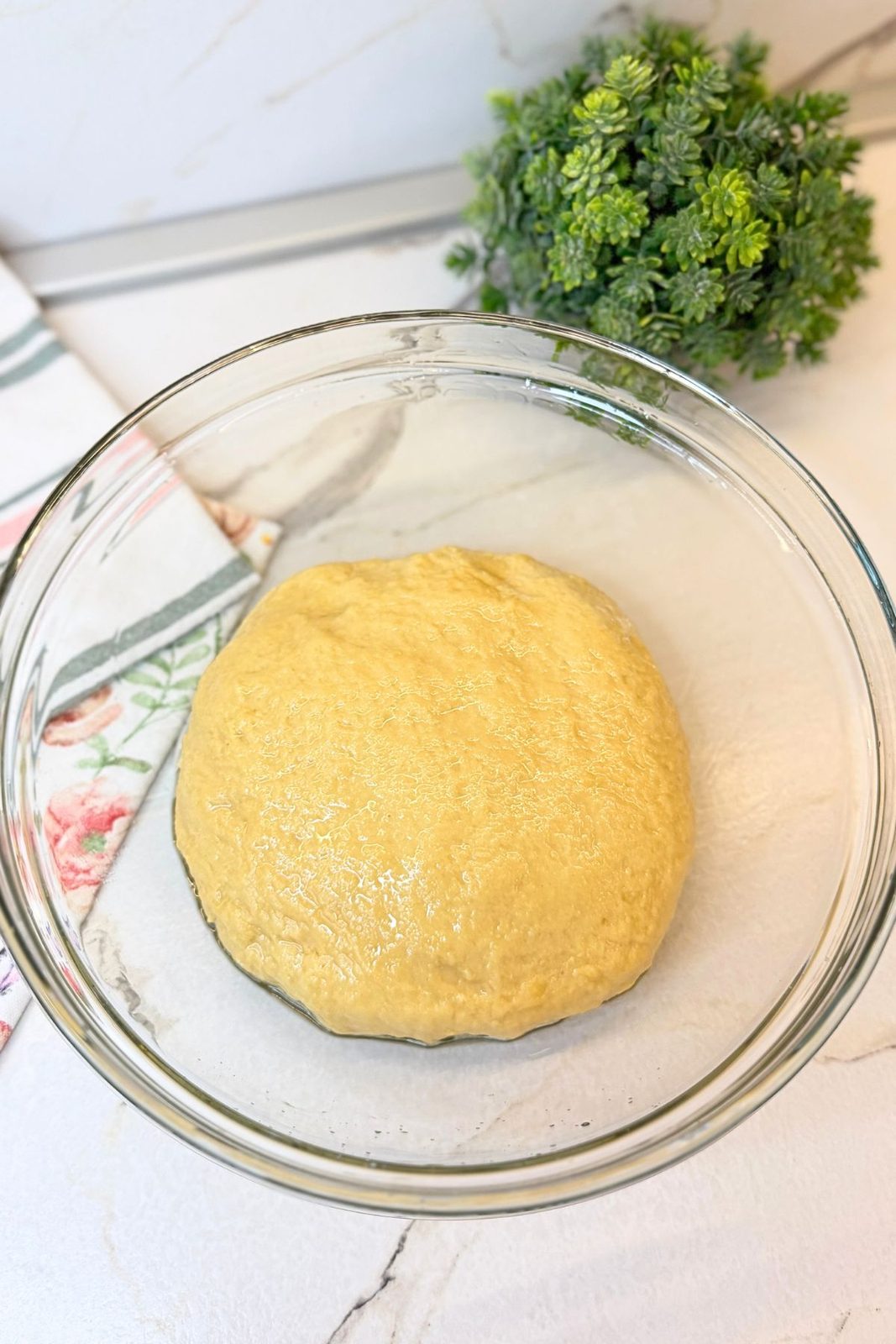
Lightly oil a clean bowl and place the dough inside. Cover it to prevent the surface from drying out. Leave in a warm spot for about 1 hour, or until doubled in size.
4. Roll and Cut the Donuts
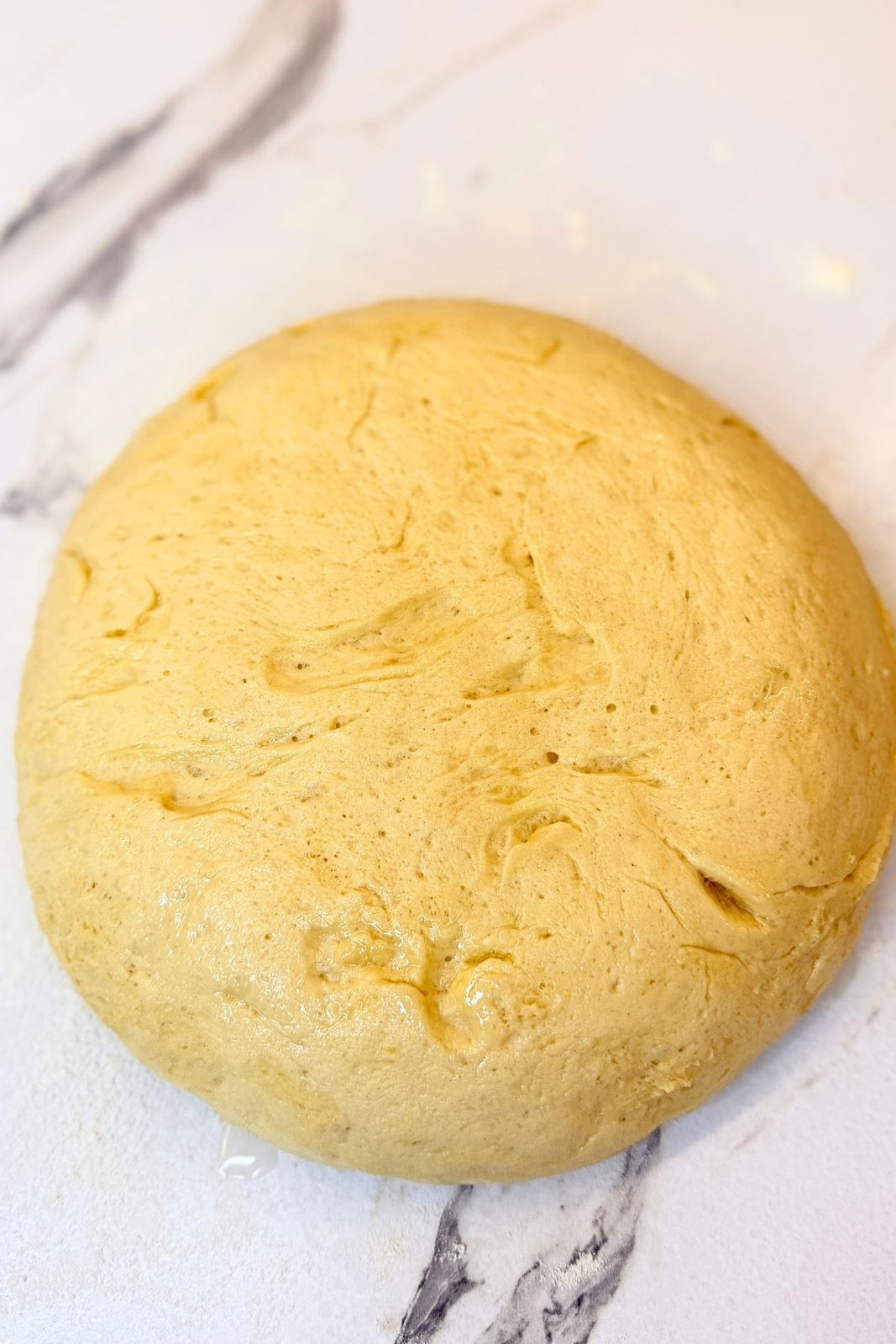
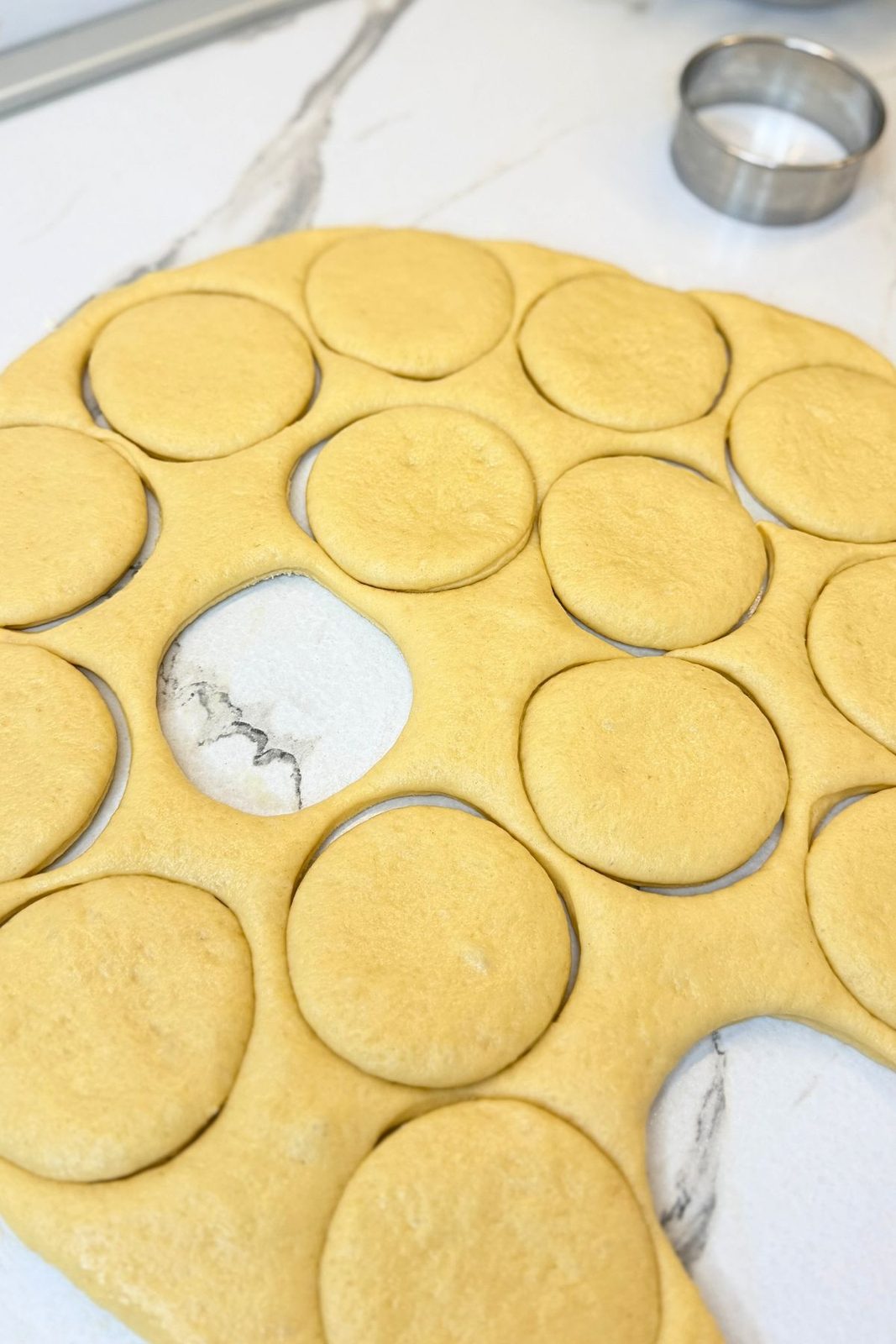
Transfer the risen dough to a lightly floured surface and gently roll it to about ⅝ inch (1.5 cm) thick. Cut out circles with a round cutter, then use a smaller cutter to remove the centers.
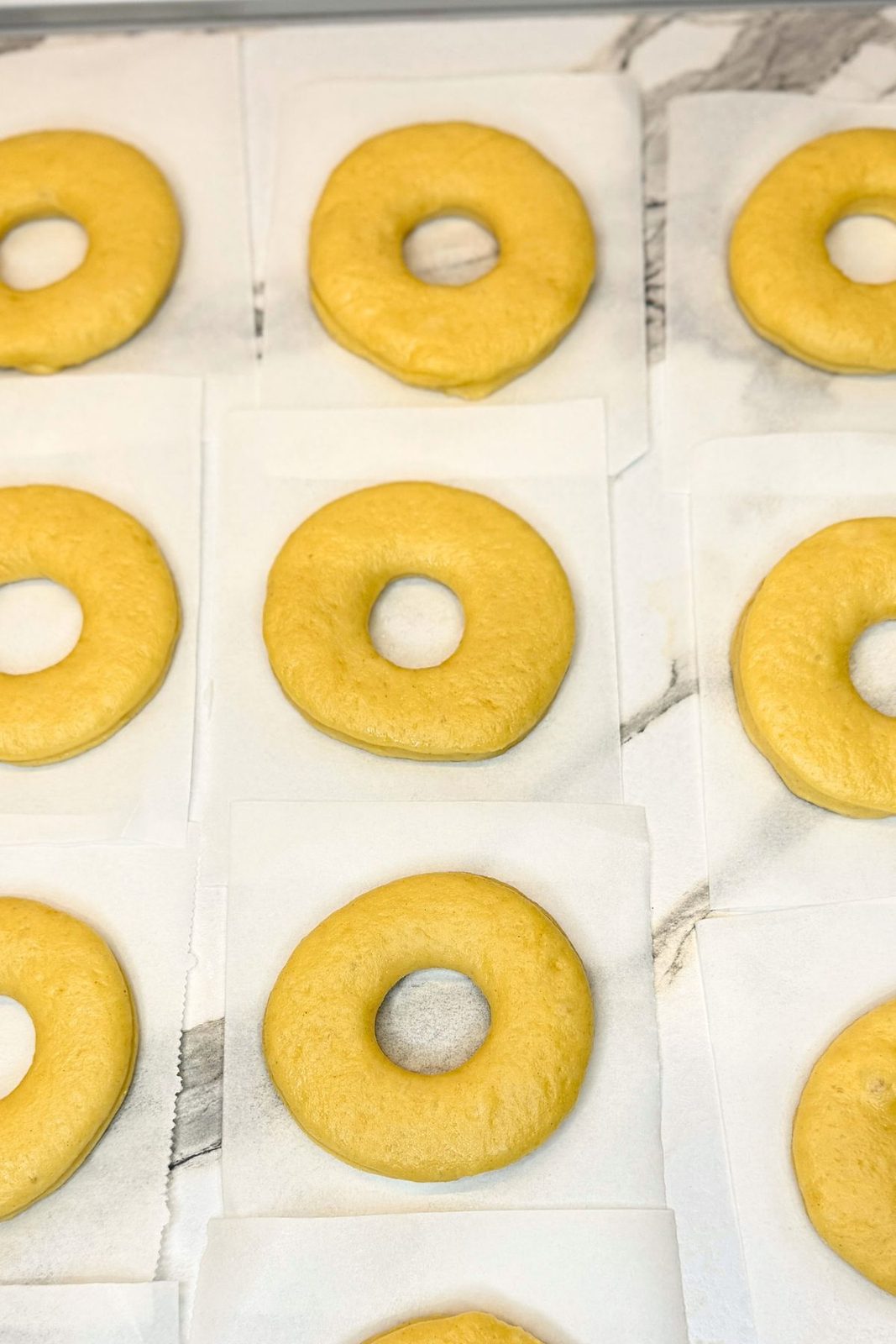
Place each donut on an individual square of parchment paper. Keep the little centers to make donut holes. Gather the scraps gently and reroll to use the remaining dough.
5. Let the Shaped Donuts Rest
Cover the donuts loosely and let them rise for about 30 minutes, until noticeably puffy. Let the donut holes rest too.
6. Fry Until Golden
Pour enough neutral oil into a deep, heavy-bottomed pot so the donuts can float without touching the bottom. Leave plenty of space above the oil to prevent overflow. Heat the oil to approximately 375°F (190°C), checking with a frying thermometer.
Carefully lower a few donuts into the oil with their parchment squares underneath. Once the paper releases, remove it with tongs. Use parchment paper, never wax paper.
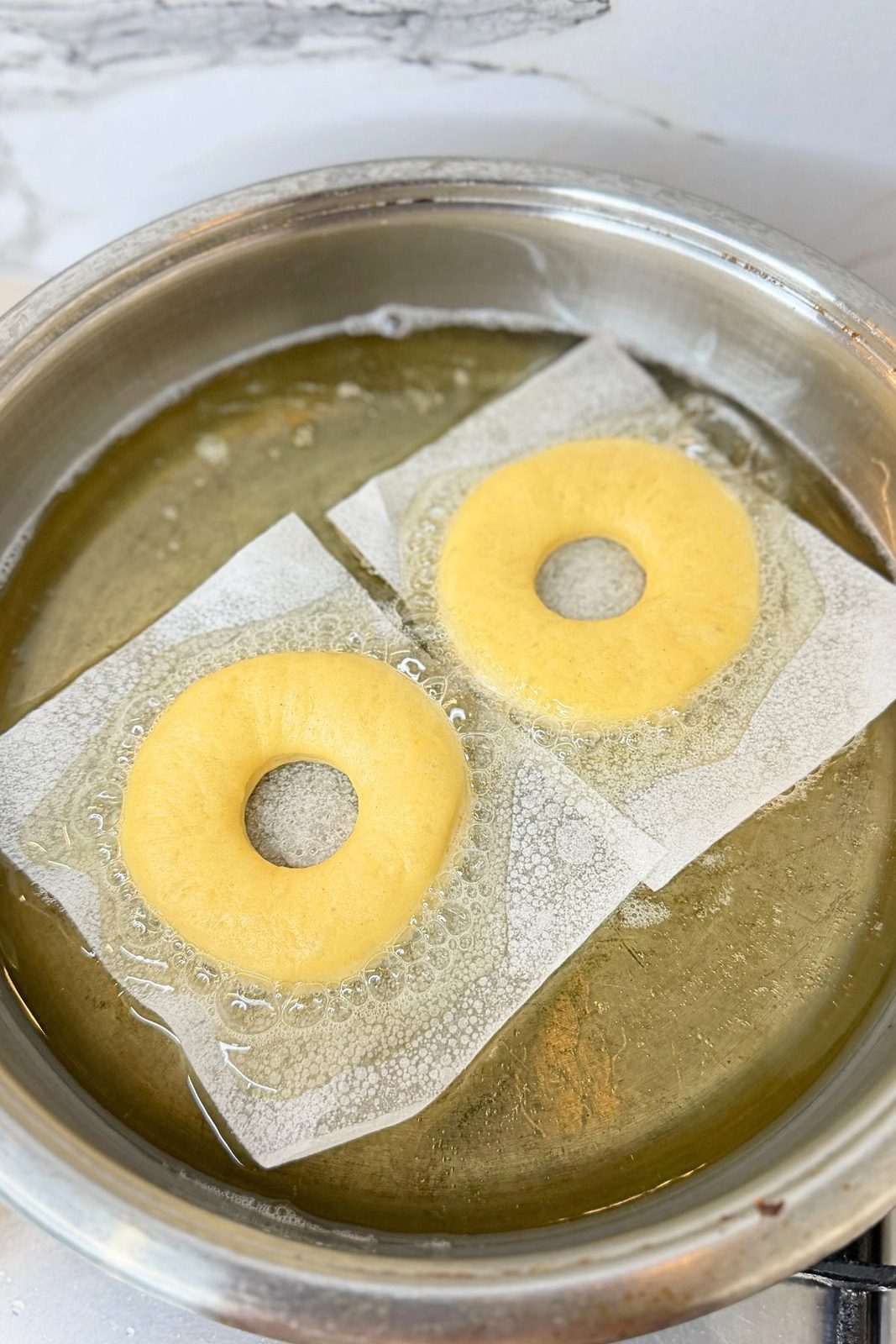
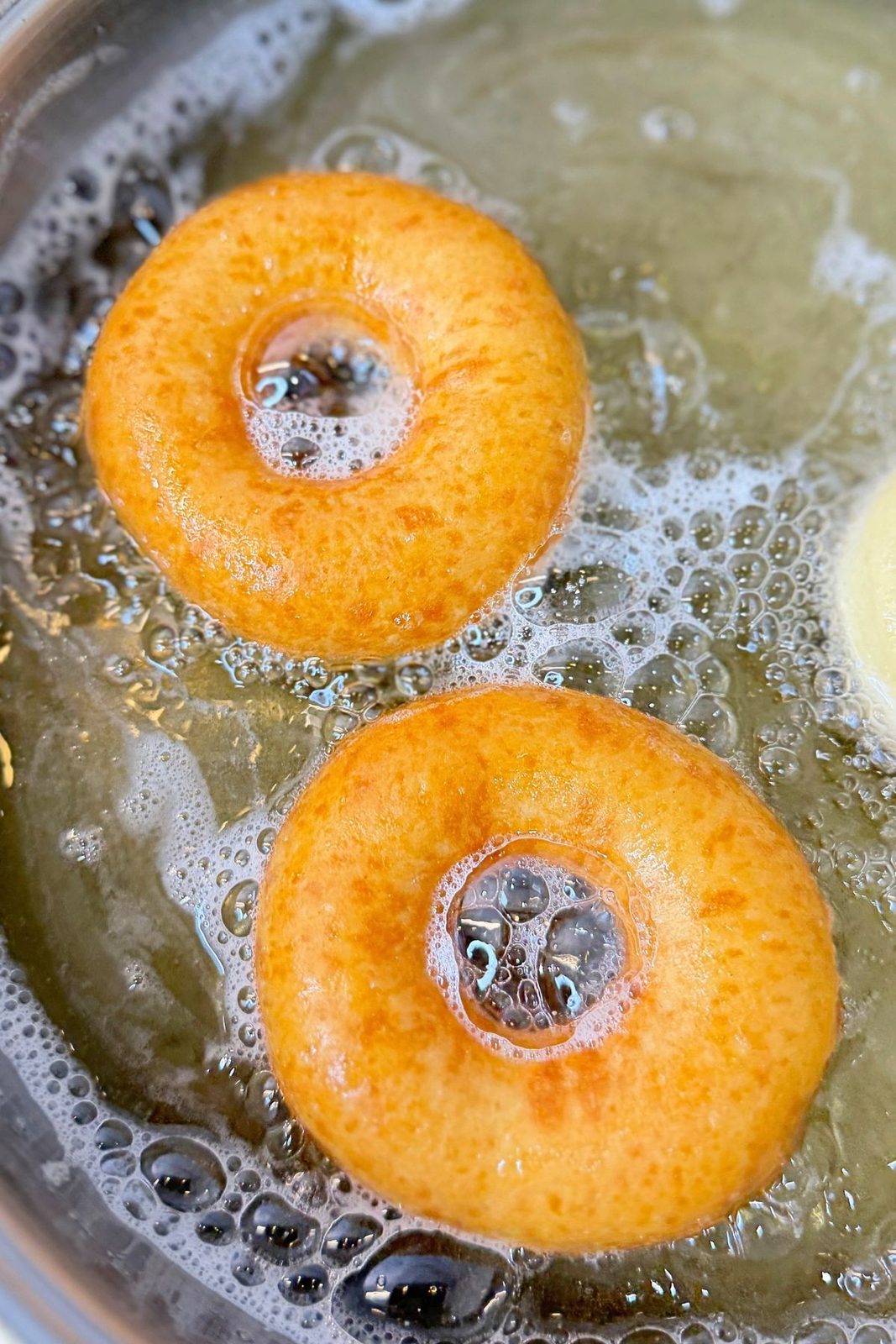
Fry until golden underneath, then gently turn and cook the other side, starting with about 1 minute per side and adjusting as needed. Avoid crowding the pot, and let the oil return to temperature between batches.
Transfer the fried donuts to paper towels to absorb excess oil. Fry the donut holes separately, turning them as they brown; they will cook faster.
7. Prepare the Vanilla Glaze
Let the donuts cool slightly while you make the glaze. Whisk the powdered sugar, milk, and vanilla extract together until smooth, with no lumps. Sift the powdered sugar first if needed.
8. Dip and Let Set
Dip the tops of the slightly cooled donuts into the vanilla glaze. Lift them out, let the excess drip off, and place on a wire rack over a tray. Let the glaze set before serving your homemade glazed donuts.
How to Store and Freeze
At room temperature: Glazed donuts taste best the day they’re made. Once completely cool and the glaze has set, store them in an airtight container for up to 2 days. Keep them in a single layer to protect the glaze.
To freeze: For the best results, freeze the donuts without glaze. Let them cool completely, wrap individually, and place in a freezer bag for up to 3 months.
To thaw and reheat: Thaw at room temperature, then microwave briefly until soft and slightly warm. Dip in freshly made vanilla glaze before serving. Already-glazed donuts can also be warmed briefly, but the glaze may melt.
Frequently Asked Questions (FAQ)
Why are my donuts dense instead of fluffy?
Too much flour or insufficient rising can make donuts dense. Keep the dough soft, let it double during the first rise, and wait until the shaped donuts look puffy before frying.
Why are my donuts greasy?
The oil may be too cool, or the pan may be overcrowded. Use a frying thermometer and cook in small batches, allowing the oil to return to temperature between batches.
Do I need a donut cutter?
No! Use a round cookie or biscuit cutter for the outside and a smaller cutter for the center. Save the little circles to fry as donut holes.
Why use individual parchment squares?
They help you transfer the delicate dough into the oil without stretching or deflating it. Remove the parchment with tongs as soon as it releases from the donut.
How do I adjust the vanilla glaze?
If it’s too thick, add milk a teaspoon at a time. If it’s too thin, whisk in a little more powdered sugar. It should coat the donuts while allowing excess glaze to drip off.
Can I serve these with other treats for brunch?
Absolutely! Pair your glazed donuts with slices of my Lemon Blueberry Bundt Cake for a sweet brunch spread with a bright, fruity option.
Nutrition per Serving
Estimated nutrition for 1 glazed donut plus 1 donut hole, based on 20 servings:
- Calories: 280 kcal
- Carbohydrates: 43 g
- Protein: 4 g
- Total Fat: 10 g
- Saturated Fat: 3 g
- Cholesterol: 30 mg
- Sodium: 75 mg
- Fiber: 1 g
- Sugar: 21 g
These estimates assume unsalted butter, all the prepared glaze, and approximately 100 g of oil absorbed across the batch. Actual values will vary with donut size, oil absorption, and the amount of glaze used.
Conclusion
These homemade glazed donuts combine a soft, fluffy center, golden edges, and a sweet vanilla glaze for a classic bakery-style treat. They take a little patience, but that first freshly glazed bite makes the effort worthwhile.
If you enjoy making dough from scratch, explore my sweet breads and rolls for more breakfast and brunch inspiration.
Tried this recipe? Leave a comment and a rating below. I’d love to hear how your donuts turned out!

Glazed Donuts – Bakery-Style
Ingredients
Equipment
Method
- Activate the yeastCombine the warm milk, 1 teaspoon sugar, and dry yeast. Stir and let stand for about 10 minutes, until foamy. Use warm milk, not hot.
- Prepare the doughCombine the flour and salt in a large bowl. Add the yeast mixture, eggs, melted butter, and ¼ cup sugar. Mix until the ingredients come together, then knead until the dough is smooth and elastic. Keep the dough soft, adding only a little extra flour if needed.
- Let the dough riseLightly oil a clean bowl and place the dough inside. Cover to prevent the surface from drying out. Let rise in a warm place for about 1 hour, or until doubled in size.
- Shape the donutsTransfer the risen dough to a lightly floured surface. Roll to approximately ⅝ inch (1.5 cm) thick. Cut out circles with a round cutter, then use a smaller cutter to remove the centers. Reserve these for donut holes.Place each donut on an individual square of parchment paper. Gently gather and reroll the remaining dough to cut more donuts.
- Let the shaped donuts riseCover the donuts and donut holes loosely. Let rest for about 30 minutes, until noticeably puffy.
- Heat the oilPour enough oil into a deep, heavy-bottomed pot so the donuts can float without touching the bottom. Leave plenty of space above the oil. Heat to approximately 375°F (190°C), checking with a frying thermometer.
- Fry the donutsCarefully lower a few donuts into the hot oil with their parchment squares underneath. Once the paper releases, remove it with tongs.Fry for approximately 1 minute per side, or until golden and cooked through. Adjust the time as needed for the size and thickness of your donuts. Avoid overcrowding, and allow the oil to return to temperature between batches.
- Drain and coolRemove the donuts with a slotted spoon and place on paper towels to absorb excess oil. Repeat with the remaining donuts. Fry the donut holes separately, turning as needed; they cook faster. Let everything cool slightly.
- Make the vanilla glazeWhisk the sifted powdered sugar, milk, and vanilla extract in a bowl until smooth and free of lumps.
- Glaze and serveDip the tops of the slightly cooled donuts into the glaze. Let excess glaze drip off, then place on a wire rack over a tray. Dip the donut holes too. Allow the glaze to set before serving.
Notes
Flour: Spoon and level when measuring with cups. Avoid adding too much extra flour, which can make the donuts dense.
- Rising: Use the dough’s appearance as your guide. It should double during the first rise and become puffy after shaping.
- Parchment: Use parchment paper, not wax paper, and remove it from the oil as soon as it releases.
- Glaze consistency: Add milk a teaspoon at a time if too thick, or a little more powdered sugar if too thin.
- Storage: Best enjoyed fresh. Store cooled donuts in an airtight container in a single layer for up to 2 days at room temperature.
- Freezing: Freeze completely cooled, unglazed donuts for up to 3 months. Thaw, warm briefly, and add fresh glaze.
- Yield: Donut size and cutter dimensions may change the number of donuts.
- Timing: Preparation, rising, and frying times are approximate.
Nutrition per Serving
For 1 glazed donut plus 1 donut hole:- Calories: 280 kcal
- Carbohydrates: 43 g
- Protein: 4 g
- Fat: 10 g
- Saturated Fat: 3 g
- Cholesterol: 30 mg
- Sodium: 75 mg
- Fiber: 1 g
- Sugar: 21 g